Skip to content
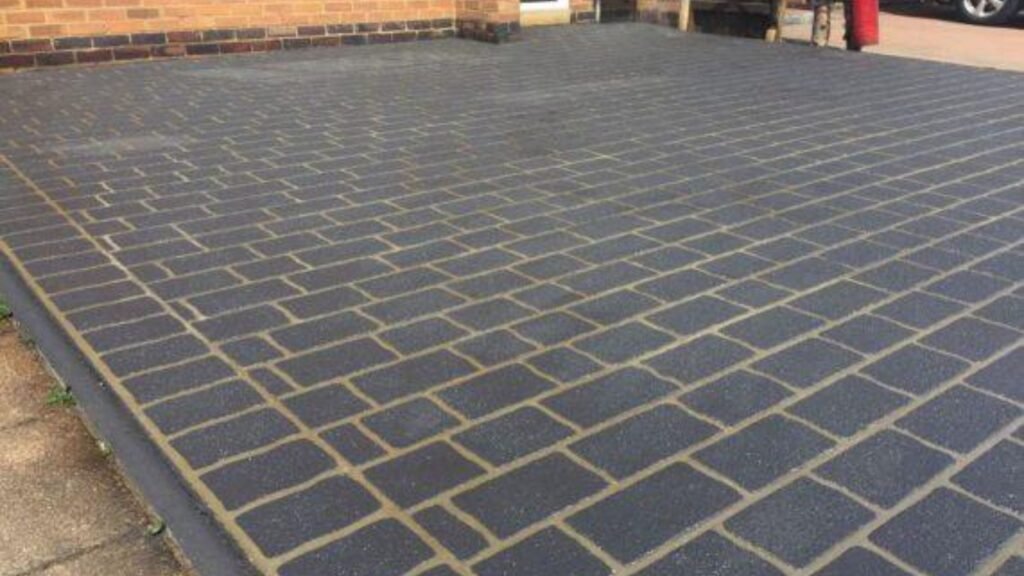
Spray paving is a practical way to refresh an existing concrete surface without automatically removing and replacing the entire slab. A well-installed spray pave finish can improve the appearance of a driveway, patio, pathway or pool surround while providing a durable, low-maintenance surface.
But “low maintenance” does not mean “no maintenance”.
Regular care helps prevent dirt, stains and organic buildup from becoming harder to remove, while timely inspection can identify surface wear before it becomes a larger restoration issue. For Canberra property owners, that means looking after the surface throughout the year rather than waiting until the finish looks significantly faded or neglected.
If you are searching for spray paving maintenance Canberra, this guide explains what routine care involves, how to approach cleaning and sealing, when pressure washing can become a problem, and when maintenance may need to progress into professional concrete resurfacing.
What Does Spray Paving Maintenance Involve?
Spray paving maintenance is essentially about protecting the appearance and condition of the finished surface.
The right maintenance routine will depend on the particular spray pave system, sealer, location and amount of traffic. A residential driveway, for example, will experience different wear from a sheltered patio or a commercial concrete area.
In practical terms, maintenance generally involves:
- Sweeping away dirt, leaves and loose debris
- Washing the surface when grime builds up
- Removing oil, grease and other spills promptly
- Treating stains with products suitable for the surface
- Watching for excessive wear, fading or surface deterioration
- Keeping the surrounding area free from debris that can remain against the surface
- Inspecting cracks or damaged areas rather than simply coating over them
- Checking whether the existing sealer is still performing as intended
- Arranging professional cleaning, sealing or restoration when required
Australian decorative-concrete guidance similarly recommends regular cleaning, prompt spill removal and appropriate sealing while warning that cleaning chemicals should be compatible with the particular surface and sealer.
The important point is that maintenance should be based on surface condition, not an arbitrary schedule.
Why Is Spray Paving Maintenance Important in Canberra?
Outdoor concrete surfaces are exposed to changing conditions throughout the year. Canberra has noticeable seasonal variation in temperatures and rainfall, so outdoor surfaces can experience periods of moisture, dry weather and strong sun exposure.
That does not mean every spray-paved surface will deteriorate at the same rate. Location and usage matter. A driveway exposed to daily vehicle traffic will naturally have different maintenance requirements from a lightly used backyard path. Similarly, a shaded patio may develop different cleaning issues from an exposed entertaining area.
The main reasons to keep up with maintenance are straightforward:
1. Keep dirt from becoming ingrained
Loose dirt is easy to sweep away. Dirt that remains on a textured decorative surface for long periods can become considerably harder to remove.
2. Deal with stains early
Oil, grease, food, drinks, leaves and other contaminants can affect the appearance of a surface. Prompt cleaning is generally easier than trying to remove an established stain later.
3. Protect the appearance of decorative finishes
One of the major advantages of spray paving is its appearance. A dirty or weathered surface can hide the colour, texture and pattern that originally made the area attractive.
4. Identify deterioration early
Maintenance also provides an opportunity to notice cracks, areas of wear, loose material, unusual discolouration or other changes.
A surface problem is easier to assess when it is identified early.
How to Clean Spray Paving
Routine cleaning does not need to be complicated. For general household maintenance, start by removing loose material such as leaves, dirt, grit and other debris. A broom or suitable outdoor cleaning method can usually handle this stage. For more established grime, washing the surface may be appropriate.
However, the cleaning method should suit the particular spray paving system. Decorative concrete guidance recommends following the advice provided by the installer or supplier because unsuitable chemicals or cleaning methods can damage the finish or sealer.
A sensible maintenance sequence is:
- Remove loose debris.
- Identify obvious stains before applying a cleaner.
- Use a cleaning product suitable for the surface.
- Avoid unnecessarily aggressive chemicals.
- Rinse thoroughly after cleaning where appropriate.
- Allow the surface to dry and inspect the result.
- Address persistent staining or surface deterioration professionally if normal cleaning is not enough.
This is particularly important if the surface has a decorative coating or sealer. A cleaner that is suitable for plain concrete is not automatically suitable for every decorative surface.
Can You Pressure Wash Spray Paving?
Pressure cleaning can be useful for removing accumulated dirt from outdoor concrete, but more pressure is not automatically better.
Decorative concrete maintenance guidance warns that excessive pressure or aggressive pressure-washing equipment can damage some finished surfaces. Dulux’s decorative concrete maintenance guidance, for example, specifically cautions against using a turbo-head pressure washer because it can damage the surface.
If you are cleaning spray paving, consider:
- The condition of the existing finish
- Whether the surface is sealed
- The pressure being used
- The nozzle or cleaning head
- The distance between the equipment and surface
- Whether the surface has already started to deteriorate
- Whether aggressive cleaning could remove or damage the finish
If you are unsure, professional spray paving cleaning Canberra services can be a better option than experimenting with high-pressure equipment on an expensive decorative surface. The objective is not simply to make the surface look clean immediately. It is to clean it without unnecessarily damaging the finish you are trying to preserve.
How to Deal With Oil, Grease and Other Stains
Driveways and garage areas are particularly vulnerable to oil and grease.
The longer a spill remains untreated, the more difficult it may become to remove completely. This is why prompt attention is one of the simplest forms of concrete driveway maintenance Canberra homeowners can undertake.
For fresh spills:
- Remove excess material as soon as practical.
- Avoid spreading the contamination over a larger area.
- Use a cleaner appropriate for the particular surface.
- Rinse the area thoroughly according to the product or system instructions.
Do not assume that a stronger chemical will produce a better result. Decorative concrete maintenance guidance recommends checking chemical compatibility before cleaning because unsuitable products can damage concrete finishes or sealers. Persistent oil staining may require a more specialised cleaning approach.
What About Leaves, Dirt, Mould and Organic Buildup?
Outdoor surfaces naturally collect leaves and other organic debris. When debris remains on a surface, particularly in areas that stay damp, it can contribute to staining and make the area look neglected.
Regular sweeping is therefore one of the simplest spray paving care Canberra habits.
Pay particular attention to:
- Areas underneath outdoor furniture
- Corners and edges
- Drainage points
- Shaded areas
- Around garden beds
- Areas beneath trees
- Poolside surfaces
- Sections where leaves regularly accumulate
The goal is not to make the surface look untouched by weather. It is to prevent avoidable buildup from becoming a persistent maintenance problem. If organic staining has become established, a professional clean may be more appropriate than repeatedly increasing pressure or using increasingly aggressive chemicals.
Does Spray Paving Need to Be Sealed?
In many decorative concrete systems, sealing is an important part of surface protection. But there is no universal answer that every spray-paved surface must be resealed at exactly the same interval.
Maintenance requirements depend on factors such as:
- The particular resurfacing system
- The type of sealer used
- Traffic levels
- Outdoor exposure
- Surface condition
- Previous maintenance
- The appearance and performance of the existing finish
Current Australian concrete-maintenance guidance recommends assessing the condition of the surface and sealer rather than relying solely on a fixed timetable. Signs that resealing may be worth considering include dulling, fading, increased staining or a noticeable change in the way the surface responds to water.
This is why spray paving sealing Canberra should be treated as a condition-based maintenance decision. The right approach is to inspect the existing finish first.
How Often Should Spray Paving Be Sealed?
This is one of the most common questions homeowners ask.
The honest answer is: there is no single resealing interval that applies to every spray pave surface.
Some decorative-concrete sources recommend resealing at intervals of several years, while older industry guidance has suggested much shorter intervals. The difference demonstrates why the specific product/system, exposure and surface condition matter.
Instead of asking only, “How many years has it been?”, look for signs such as:
- The finish has become noticeably dull
- Colour appears less vibrant
- Staining occurs more easily
- The surface looks patchy
- Previous sealer appears worn
- The surface has experienced significant traffic
- The appearance has changed after repeated cleaning
- The installer or product manufacturer recommends maintenance
If you know the original system and sealer, use the relevant maintenance recommendations for that system. If you do not know what was previously applied, professional assessment is preferable to applying an unknown sealer over an existing finish.
What Happens If You Ignore Spray Paving Maintenance?
Neglected maintenance does not necessarily mean the surface will suddenly fail. The more immediate problem is usually appearance and cleanliness. Dirt can accumulate. Stains become more difficult to remove. Decorative finishes can look dull. Areas of wear become more obvious. And if an underlying surface problem develops, it may be missed because nobody is inspecting the area.
This is why routine concrete resurfacing maintenance Canberra property owners can manage should include occasional visual inspections. Look for changes rather than simply asking whether the surface is “old”.
An older surface that remains clean, intact and well maintained may require less intervention than a newer surface exposed to heavy traffic and persistent contamination.
How Do You Know When Spray Paving Needs More Than Cleaning?
Cleaning is appropriate when the primary problem is dirt, grime or staining. But cleaning cannot correct every surface problem.
You may need professional advice if you notice:
- Significant cracking
- Areas of delamination or lifting
- Loose or deteriorating surface material
- Major colour inconsistency
- Persistent staining that normal cleaning cannot resolve
- Extensive wear in high-traffic areas
- Surface deterioration that continues after cleaning
- Damage to the underlying concrete
The condition of the original slab matters.
Spray Pave Canberra’s FAQ explains that resurfacing can be suitable when existing concrete remains structurally sound but has become worn, stained, faded or lightly cracked. Major structural movement, deep damage or base failure can require a different solution.
That distinction is important.
Maintenance preserves a suitable surface. Resurfacing restores a surface that has moved beyond routine maintenance.
Spray Paving Maintenance for Driveways
Driveways generally receive more demanding use than many residential outdoor areas.
A Canberra driveway may experience:
- Daily vehicle traffic
- Tyre marks
- Oil or automotive fluids
- Dirt and grit
- Weather exposure
- Repeated turning movements
- Foot traffic
- Garden debris
A practical concrete driveway maintenance Canberra routine should therefore focus on regular sweeping, prompt stain removal and periodic inspection. Avoid allowing automotive spills to remain for long periods, and be careful when using pressure-cleaning equipment. It is also worth watching areas where vehicles repeatedly turn or stop. These are naturally more exposed to mechanical wear.
If the surface remains structurally sound but its appearance has deteriorated significantly, driveway resurfacing may be a more appropriate solution than continuing to clean a finish that has already reached the end of its useful decorative life.
Spray Paving Maintenance for Patios and Outdoor Entertaining Areas
Patios often have a different maintenance profile. Food and drink spills, leaves, outdoor furniture, garden debris and general foot traffic can all affect the appearance.
Regular sweeping is particularly useful around:
- Tables and chairs
- Pot plants
- Barbecue areas
- Garden edges
- Outdoor kitchens
- Covered sections
- Drainage points
Moving furniture occasionally also helps you identify differences in colour or surface condition between heavily exposed and sheltered areas. For decorative outdoor surfaces, keeping the area clean helps preserve the visual impact of the pattern, colour and texture.
Spray Paving Maintenance Around Pool Areas
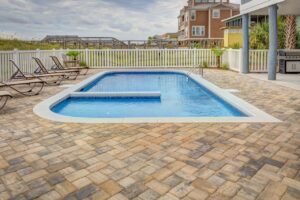
Pool surrounds deserve particular attention because surface appearance and underfoot performance both matter. A poolside surface should be kept clear of accumulated dirt, organic debris and contaminants that could affect the condition or cleanliness of the area. The cleaning method should be appropriate for the particular decorative system, and any maintenance product should be compatible with the existing surface.
Spray Pave Canberra specifically positions its resurfacing solutions for pool surrounds and highlights slip-resistant finishes as an important consideration for these areas. If the existing finish is showing significant wear, it is better to have it assessed rather than assuming another aggressive cleaning cycle will solve the problem.
Spray Paving Maintenance for Commercial Surfaces
Commercial areas require a more structured maintenance approach because traffic levels are often higher.
Depending on the property, this could include:
- Commercial entrances
- Carparks
- Retail areas
- Warehouses
- Workshops
- Office-related outdoor surfaces
- High-traffic concrete areas
For commercial property owners and managers, maintenance should focus not only on appearance but also on keeping the surface practical and presentable. The website positions Spray Pave Canberra as serving both residential and commercial properties, including commercial floors and high-traffic applications. A commercial maintenance plan should be based on actual traffic, contamination and surface condition rather than simply copying a residential cleaning schedule.
Common Spray Paving Maintenance Mistakes to Avoid
Using excessive pressure
High pressure can make a dirty surface look dramatically cleaner, but aggressive equipment can damage some decorative finishes.
Using unsuitable chemicals
Do not assume that bleach, acid, degreaser or another strong chemical is safe for your particular finish.
Check compatibility first.
Ignoring small stains
A small oil or organic stain is generally easier to address before it becomes established.
Waiting until the surface looks badly deteriorated
Maintenance works best when it is preventative rather than reactive.
Assuming every surface needs the same sealer
Different systems and sealers have different maintenance requirements.
Sealing without proper preparation
A sealer is not a substitute for appropriate cleaning and surface preparation. Applying a new product over a contaminated or unsuitable surface can produce poor results.
Treating structural cracking as a cosmetic issue
Cleaning and sealing will not solve major movement or underlying concrete problems. If cracking is significant, the cause and condition of the substrate should be assessed first.
Spray Paving Maintenance Checklist for Canberra Homeowners
A simple maintenance checklist can make ongoing care much easier.
| Maintenance task | What to look for |
|---|---|
| Sweep regularly | Leaves, grit and loose dirt |
| Wash when needed | General grime and surface buildup |
| Treat spills early | Oil, grease, food and drinks |
| Inspect shaded areas | Organic buildup and staining |
| Check high-traffic zones | Wear, dullness and surface changes |
| Inspect cracks | Whether they are cosmetic or more significant |
| Check the sealer | Dulling, wear or increased staining |
| Review cleaning methods | Avoid overly aggressive pressure |
| Check chemical compatibility | Protect the finish and sealer |
| Consider professional maintenance | When cleaning no longer restores the surface |
The exact frequency will depend on the property and surface.
A busy driveway may need more frequent attention than a lightly used patio.
DIY Maintenance vs Professional Spray Paving Maintenance
Routine sweeping and appropriate basic cleaning are reasonable maintenance tasks for many homeowners.
The situation changes when you are dealing with:
- Extensive staining
- Large outdoor areas
- Commercial surfaces
- Difficult oil contamination
- Unknown existing sealers
- Surface deterioration
- Cracking
- Decorative finishes that have become heavily worn
- Preparation for resealing
Professional maintenance can also help avoid the common mistake of treating the visible symptom instead of the underlying surface problem. For example, if a driveway looks dull, simply applying another sealer may not be the right answer. The existing surface may need proper cleaning, assessment or preparation first. The website’s Canberra service offering includes high-pressure cleaning and sealing designed for driveways, patios and commercial floors, alongside resurfacing and decorative treatments.
When Is Resurfacing a Better Option?
There comes a point when maintenance is no longer the most practical solution. If an existing concrete surface is structurally suitable but looks heavily worn, outdated, stained or deteriorated, concrete resurfacing Canberra property owners can use may provide a way to restore the appearance without automatically replacing the entire slab.
Spray Pave Canberra specialises in spray-on and decorative concrete resurfacing for driveways, patios, pool surrounds, pathways and commercial surfaces.
The key question is not:
“Can I clean this surface again?”
It is:
“Is the existing surface still a good candidate for maintenance, or would restoration provide a better long-term result?”
That assessment should consider the condition of the concrete underneath the decorative finish. If the substrate is structurally sound, resurfacing may be worth considering. If there is major movement or base failure, replacement or another repair strategy may be more appropriate.
How Spray Pave Canberra Can Help With Surface Maintenance
For Canberra property owners, maintenance can involve more than simply washing the surface.
Spray Pave Canberra provides concrete cleaning and sealing alongside its concrete resurfacing and decorative surface services. Its Clean & Seal offering is positioned around protecting concrete from staining, moisture, UV exposure, abrasion and everyday wear while making surfaces easier to maintain.
That makes professional assessment particularly useful when you are unsure whether your surface needs:
- Cleaning
- Sealing
- Maintenance
- Minor surface attention
- Decorative restoration
- Full resurfacing
The company services Canberra and surrounding ACT suburbs, including Belconnen, Gungahlin, Tuggeranong, Woden Valley and Weston Creek. The most appropriate solution depends on the existing surface—not simply on its age or appearance.
A Practical Spray Paving Maintenance Approach
For most property owners, the simplest strategy is:
Keep it clean → deal with stains early → avoid damaging cleaning methods → inspect the surface → maintain the sealer where appropriate → address deterioration before it becomes a bigger restoration problem.
There is no benefit in creating an unnecessarily complicated maintenance routine. At the same time, decorative concrete should not be treated as completely maintenance-free. A few basic habits can preserve the appearance of your spray paving and help you identify problems earlier.
And if the surface has already become significantly worn, maintenance may no longer be the best investment. In that situation, professional assessment can help determine whether cleaning and sealing are sufficient or whether concrete resurfacing is the more appropriate next step.
Final Thoughts on Spray Paving Maintenance in Canberra
Good spray paving maintenance Canberra property owners can rely on is less about following a rigid calendar and more about understanding the condition of the surface.
Sweep away debris. Clean the surface using appropriate methods. Deal with spills before they become established stains. Be careful with pressure washing and chemicals. Monitor areas exposed to heavy traffic and outdoor conditions. Check the condition of the existing sealer rather than automatically applying another coat.
Most importantly, distinguish between a surface that simply needs cleaning and one that needs restoration. When an existing concrete surface remains suitable but has become worn or outdated, resurfacing can provide an alternative to full replacement. When the surface is simply dirty or the protective finish needs attention, professional cleaning and sealing may be enough.
If your driveway, patio, pathway, pool surround or commercial concrete surface in Canberra is looking tired, a professional assessment can help you decide what it actually needs. For a tailored recommendation, contact Spray Pave Canberra for a free quote and discuss whether cleaning, sealing, maintenance or resurfacing is the right option for your surface.