Skip to content
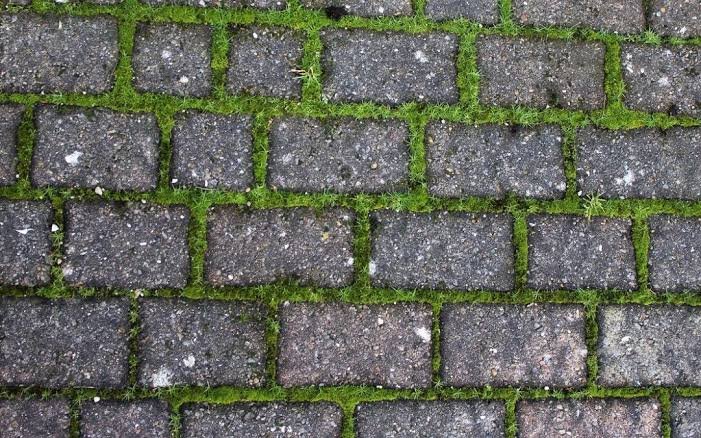
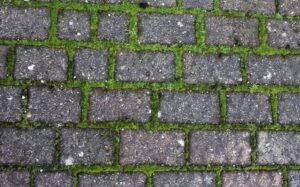
Moss on a concrete driveway is more than an appearance problem. Once green growth starts spreading across the surface, it can make the driveway look neglected and become particularly slippery when wet. For Canberra homeowners, the problem can be more noticeable around shaded areas, places where leaves and debris collect, or sections of concrete that remain damp after rain or watering.
The good news is that remove moss from concrete driveway projects do not always require replacing the concrete. In many cases, the first step is simply to clean the surface properly, inspect the result and then decide whether any additional treatment is necessary.
This guide explains how to remove moss from a concrete driveway, how to reduce the chance of it returning, how to avoid damaging the concrete during cleaning, and when professional driveway cleaning may make more sense.
Why Does Moss Grow on a Concrete Driveway?
Moss generally becomes established where conditions allow moisture to remain available for long enough and where the surface is not drying quickly.
Several factors can contribute:
- Shaded sections of the driveway
- Overhanging trees or vegetation
- Leaves and organic debris left on the surface
- Poor drainage or water that remains on the concrete
- Damp areas around edges and joints
- Limited airflow
- Regular moisture from rain, irrigation or runoff
A driveway does not have to be permanently wet for moss to appear. A shaded section that repeatedly stays damp for longer than the surrounding concrete can provide a much better environment for organic growth.
Canberra’s seasonal weather can also influence how quickly outdoor surfaces become damp. The Bureau of Meteorology recorded 137.8 mm of rainfall at Canberra Airport during winter 2026, compared with a winter average of 125.2 mm. That does not mean every Canberra driveway will develop moss, but it illustrates why outdoor concrete can experience periods of sustained moisture. The important point is that moss is usually a surface-condition problem as well as a cleaning problem. Removing the visible growth is necessary, but if the same area remains shaded, damp and covered in debris, regrowth may occur.
What You Need to Remove Moss from Concrete
For a small affected area, you may not need specialist equipment.
A basic cleaning setup can include:
- A stiff-bristled outdoor brush
- A broom
- Clean water
- A bucket
- An appropriate concrete-safe cleaning product
- Protective gloves
- Suitable footwear
- Eye protection when using cleaning products or pressure equipment
For larger areas, a pressure washer or professional surface-cleaning equipment can make the job substantially easier. The important part is choosing the method according to the concrete.
Older concrete, decorative finishes, previously sealed surfaces and deteriorated concrete should not automatically be treated with maximum pressure. Spray Pave Canberra’s own driveway-cleaning guidance stresses that pressure, nozzle selection, equipment and technique should be matched to the surface rather than assuming that higher pressure produces a better result.
How to Remove Moss from Concrete Driveway: Step by Step
1. Clear leaves, dirt and loose debris
Start by sweeping the entire driveway.
Remove:
- Leaves
- Twigs
- Soil
- Loose moss
- Grass clippings
- Other organic debris
Pay particular attention to the edges of the driveway, expansion joints, corners and areas underneath trees. This first step matters because a layer of leaves or dirt can hide how extensive the moss growth actually is.
It also makes the subsequent cleaning more effective.
2. Remove thick moss mechanically
If there are visible clumps of moss, loosen them with a stiff outdoor brush before applying further cleaning treatment. For heavier buildup, work in manageable sections. You do not necessarily need to attack the concrete aggressively. The objective is to loosen the organic growth without unnecessarily wearing the concrete surface underneath it.
A stiff broom or brush can be surprisingly effective when the moss is relatively loose.
3. Apply a suitable concrete cleaning treatment
For light growth, a suitable outdoor concrete cleaner may help loosen organic buildup before scrubbing. If you use a commercial moss or concrete-cleaning product, follow the manufacturer’s instructions carefully. Check that it is appropriate for your surface and take precautions around nearby gardens, lawns and drainage areas.
Avoid mixing different cleaning chemicals. In particular, never combine bleach with other cleaning products unless the manufacturer explicitly states that the combination is safe. There is no advantage in using an unnecessarily aggressive chemical simply because the driveway has moss on it.
The objective is effective cleaning while protecting the concrete and surrounding property.
4. Scrub stubborn areas
Once the cleaning solution has had the recommended contact time, use a stiff brush to work on remaining moss.
Focus on areas where growth is concentrated:
- Along driveway edges
- Around joints
- In textured areas
- Near garden beds
- Under shaded sections
- Around drainage points
If the moss is deeply established, several passes may be more appropriate than trying to remove everything in one aggressive treatment.
5. Pressure clean the driveway carefully
Pressure cleaning can be an effective way to remove moss, dirt and other surface contaminants from suitable concrete. It is also where homeowners can make a common mistake.
More pressure does not automatically mean better cleaning.
An inappropriate pressure setting, nozzle, cleaning distance or technique can damage a concrete surface, particularly if the concrete is old, weathered, decorative or already deteriorating.
For a broad driveway, a surface-cleaning attachment can help provide more consistent coverage than repeatedly moving a narrow pressure-washer wand across the concrete. Australian pressure-cleaning guidance also recommends using suitable pressure-washing equipment and a surface cleaner for larger flat outdoor areas. If you are using a domestic pressure washer, begin conservatively and test a small inconspicuous area first.
Avoid holding the nozzle stationary over one section.
Move consistently across the surface and pay attention to what is happening to the concrete rather than simply trying to remove the moss as quickly as possible.
6. Rinse the surface thoroughly
After cleaning, rinse away loosened moss, dirt and cleaning residue. Do not leave concentrated cleaning products sitting on the concrete unnecessarily.
Pay attention to areas around:
- Garden beds
- Garage entrances
- Drainage channels
- Kerbs
- Walls
- Other adjacent surfaces
Where runoff could affect plants or other surfaces, take appropriate precautions.
7. Let the driveway dry and inspect it again
This is an important step that many DIY guides overlook. Once the driveway is clean and dry, look at the concrete again.
Ask:
- Is the moss gone?
- Are there still green or dark patches?
- Is the concrete actually stained?
- Has cleaning revealed faded areas?
- Are there cracks or surface deterioration?
- Is the surface still slippery?
- Is the driveway generally in good condition?
- Does it need protection?
Cleaning can make a substantial difference, but it cannot repair every underlying surface problem. If the driveway looks good once clean, you may simply need an ongoing maintenance routine.
If it is clean but still looks worn or outdated, that is a different problem.
Can Pressure Washing Damage a Concrete Driveway?
Yes, it can if it is performed incorrectly.
Concrete is durable, but pressure cleaning is not completely risk-free.
Potential problems include:
- Surface etching
- Uneven cleaning marks
- Damage to weak or deteriorated concrete
- Damage to decorative finishes
- Removal or disturbance of an existing sealer
- Damage around already-fragile areas
The correct cleaning approach depends on the surface’s age, condition, finish and previous treatments. Spray Pave Canberra specifically advises considering factors such as concrete condition, existing coatings, pressure, nozzle selection, cleaning distance, equipment and cleaning technique before pressure cleaning a driveway.
This is particularly important if the driveway is going to be sealed or resurfaced afterwards. Poor preparation or unnecessary surface damage can affect what happens next.
How Do You Prevent Moss from Growing Back?
Removing moss is only half the job. If the environmental conditions that encouraged the growth remain unchanged, the problem may return.
Keep the driveway free of organic debris
Regularly sweep away leaves, twigs and accumulated soil. Organic debris can retain moisture against the concrete and create a more favourable environment for further growth.
Pay attention to shaded areas
You may not be able to remove every source of shade, but trimming vegetation where practical can improve exposure and airflow. You do not need to redesign your garden simply because a small patch of moss appeared. The goal is to identify areas where persistent shade and moisture are clearly contributing to the problem.
Check drainage and runoff
Look at where rainwater and irrigation water travel.
If one part of the driveway remains wet long after the surrounding surface has dried, investigate why.
Possible causes can include:
- Runoff from gardens
- Downpipes
- Irrigation overspray
- Low areas
- Blocked drainage
- Water collecting against edges
Cleaning cannot permanently solve a drainage problem.
Clean the driveway periodically
Do not wait until moss has covered a large percentage of the surface. Routine sweeping and occasional cleaning can make organic buildup easier to manage. The appropriate maintenance frequency depends on exposure, traffic, weather, the condition of the concrete and the surrounding environment.
Consider sealing when appropriate
Sealing is not an automatic requirement after every moss removal job. However, if the concrete is suitable and additional protection is beneficial, professional cleaning and sealing may be worth considering.
Spray Pave Canberra’s Clean & Seal service is positioned around protecting suitable concrete against moisture, staining, UV exposure, abrasion and everyday wear while improving ease of maintenance.
The important point is that sealing should follow an assessment of the surface rather than being treated as a compulsory step after every clean.
What If Moss Keeps Coming Back?
Recurring moss is a useful signal.
Instead of repeatedly pressure washing the same area, look at what is causing the recurrence.
For example, consider:
Is the area heavily shaded?
If so, the surface may take longer to dry.
Does water regularly collect there?
If so, drainage or runoff may need attention.
Are leaves constantly accumulating?
If so, regular sweeping may make a noticeable difference.
Is the concrete heavily textured or porous?
Some surfaces can hold more organic material than smooth surfaces.
Is the driveway already deteriorated?
If the concrete is old and worn, cleaning may improve its appearance but will not reverse existing surface deterioration. That last point is important. Sometimes the best outcome of cleaning is not simply a cleaner driveway. It is discovering what condition the driveway is actually in.
When Should You Hire a Professional to Remove Moss?
DIY cleaning can make sense for a small patch of light moss.
Professional cleaning becomes more attractive when:
- The entire driveway is affected.
- Moss is heavily established.
- The surface is large.
- You do not own suitable pressure-cleaning equipment.
- The concrete is decorative or sealed.
- You are concerned about damaging the surface.
- There are difficult edges and textured areas.
- The driveway has accumulated moss, dirt and other staining.
- You want the surface assessed after cleaning.
Spray Pave Canberra provides high-pressure cleaning for residential driveways, patios and pool surrounds as well as commercial carparks, warehouses and office floors. Its service information states that specialised equipment is used to remove moss, mould, dirt, grime, stains and other surface contaminants from suitable applications.
For a Canberra property owner, this can make professional cleaning a useful first step rather than jumping directly to a more extensive renovation.
Clean, Seal or Resurface: Which Does Your Driveway Need?
This is one of the most important decisions to make after removing moss.
| Surface condition | Potentially appropriate approach |
|---|---|
| Mainly dirty or moss-covered | Professional or appropriate concrete cleaning |
| Clean but needs additional protection | Clean & Seal may be considered |
| Faded, worn or outdated but structurally suitable | Concrete resurfacing may be considered |
| Major structural movement or serious failure | Further professional assessment required |
Cleaning
Cleaning addresses surface contamination. If moss, dirt and grime are the primary problem and the concrete itself is in good condition, cleaning may be all you need.
Clean & Seal
If the concrete is suitable and you want additional surface protection, cleaning followed by sealing may be worth discussing. The correct sealer and maintenance approach depend on the concrete, existing finish, exposure and intended use.
Resurfacing
Resurfacing is a different proposition. It is designed to change or upgrade the surface of suitable existing concrete rather than simply remove dirt.
Spray Pave Canberra positions resurfacing as an alternative to automatically demolishing and replacing suitable concrete. Depending on the surface and selected system, resurfacing can introduce colour, texture, patterns and decorative finishes.
If your driveway looks significantly better after cleaning but is still faded, worn or outdated, this may be the point at which resurfacing becomes relevant.
The key distinction is:
Cleaning removes contamination. Resurfacing changes the surface.
What About Moss on Concrete Patios and Paths?
The same basic principles apply to other outdoor concrete surfaces.
Concrete patios
Patios can develop moss in shaded areas, particularly where leaves, garden debris or moisture accumulate. Start with sweeping and removal of loose growth, then use a surface-appropriate cleaning method.
If the patio is structurally sound but simply dirty, cleaning may be enough. If it remains faded or outdated afterwards, decorative resurfacing may be worth considering.
Concrete paths
Paths deserve particular attention because wet organic growth can make pedestrian surfaces slippery. Focus on shaded sections, edges and areas where leaves accumulate.
A professional clean can be particularly useful when a long pathway has widespread moss or organic buildup and needs consistent cleaning rather than isolated spot treatment.
Pool surrounds
Pool surrounds require additional care because surface condition and traction matter. Avoid assuming that a generic cleaning approach is suitable for every poolside surface. The finish, existing sealer and intended use should be considered before pressure cleaning.
A Canberra Approach to Moss Removal
For Canberra homeowners, the most sensible approach is not simply to ask, “What chemical kills moss?”
A better question is:
“What does this concrete actually need?”
Start with cleaning.
Then inspect the surface.
If the driveway looks good, maintain it. If it needs protection, consider whether Clean & Seal is appropriate. If it remains worn or outdated but the existing concrete is suitable, investigate resurfacing.
This approach avoids unnecessary work while still giving you a pathway to a more substantial upgrade when the surface genuinely needs one.
Spray Pave Canberra services residential and commercial properties throughout Canberra and the ACT, including areas such as Belconnen, Gungahlin, Tuggeranong, Woden Valley and Weston Creek. Its wider surface-treatment services allow cleaning, sealing and resurfacing to be considered according to the condition of the concrete rather than assuming every property needs the same treatment.
Frequently Asked Questions
What is the easiest way to remove moss from a concrete driveway?
For light growth, remove loose moss with a stiff brush, use an appropriate concrete-safe cleaning treatment if required, scrub stubborn areas and rinse thoroughly. For large or heavily affected driveways, professional pressure cleaning can provide more consistent coverage.
Can I use a pressure washer to remove moss from concrete?
Yes, provided the equipment and technique are appropriate for the concrete. Avoid assuming that maximum pressure is best. Older, decorative, sealed or deteriorated surfaces may require particular care.
How do I remove green moss from concrete?
Start by removing loose growth and debris, then clean the affected concrete using a surface-appropriate method. Scrubbing and controlled pressure cleaning can help remove remaining organic buildup. The underlying cause of recurring moisture should also be addressed.
Why does moss keep growing on my concrete driveway?
Recurring moss can be associated with persistent moisture, shade, organic debris, poor drainage or limited airflow. Removing the moss without addressing the conditions that encourage it may only provide a temporary result.
Can moss make a concrete driveway slippery?
Yes. Wet organic growth can make an outdoor hard surface more slippery, which is particularly relevant on pedestrian areas, sloped driveways and other surfaces that become wet.
Will pressure washing permanently stop moss from returning?
Not necessarily. Pressure cleaning removes surface buildup, but it does not change the environmental conditions that may encourage future growth. Regular maintenance, debris removal and attention to moisture and drainage can help reduce recurrence.
Should I seal my concrete driveway after removing moss?
Not automatically. Sealing may be appropriate when the concrete is suitable and additional protection is beneficial, but the surface should be assessed first. Existing coatings, condition, exposure and intended use all matter.
Can I remove moss from an old concrete driveway?
You can often clean an old driveway, but older concrete requires more care because its surface may already be weathered or deteriorated. Cleaning should be approached differently from a newer, sound slab.
Does Spray Pave Canberra remove moss from driveways?
Yes. Spray Pave Canberra lists high-pressure cleaning for residential driveways and specifically identifies moss among the surface contaminants its service is designed to remove.
What if my driveway still looks old after moss removal?
If the concrete is clean but still faded, worn or outdated, cleaning may not be the complete solution. Where the existing slab is structurally suitable, concrete resurfacing may provide a way to change the surface appearance without automatically replacing the entire driveway.
Is resurfacing necessary after moss removal?
No. Resurfacing is not a standard consequence of moss growth. If cleaning restores the driveway to an acceptable condition, there may be no reason to resurface it. Resurfacing becomes relevant when suitable concrete remains worn, faded or outdated after cleaning.
The Bottom Line: Remove the Moss, Then Assess the Concrete
If you need to remove moss from concrete driveway surfaces, start with the simplest appropriate solution: clear the debris, loosen the moss, clean the surface carefully and inspect the concrete once it is dry. Do not assume that the answer is always stronger chemicals or maximum pressure. And do not assume that an old-looking driveway automatically needs replacement.
Sometimes the driveway simply needs a thorough clean. Sometimes it benefits from cleaning and sealing. And sometimes cleaning reveals that the underlying concrete is worn enough to justify a more substantial resurfacing project. For Canberra homeowners who want help with moss-covered or heavily weathered concrete, Spray Pave Canberra can assess the surface and recommend the appropriate next step.
If your driveway needs professional cleaning, protection or a potential resurfacing solution, contact Spray Pave Canberra for a free quote and surface assessment.