Skip to content

Choosing the right colour for concrete around a swimming pool can change the entire appearance of your backyard. The right shade can make the pool area feel brighter, complement your home’s exterior and create a natural transition between the water, paving and landscaping.
But appearance is only part of the decision. You also need to consider direct sunlight, surface temperature, glare, dirt, maintenance and the texture required for a wet outdoor environment.
For many Canberra homes, light grey, warm beige and greige (a blend of grey and beige) are excellent starting points. They offer a versatile appearance that works with many contemporary and traditional properties. Mid-tone grey, sandstone-inspired finishes and carefully selected darker accents can also work beautifully.
The best choice depends on your property’s architecture, the amount of sunlight the area receives, your landscaping and how the pool surround will be used.
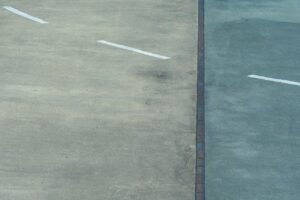
If your existing concrete is faded or outdated but remains suitable for resurfacing, a new decorative finish may also give the area a fresh look without automatically requiring complete replacement.
What Is the Best Colour for Pool Concrete?
There is no single colour that works best for every swimming pool. However, light and mid-tone neutrals are particularly versatile because they can complement a wide range of home exteriors, fencing styles and garden designs.
Here is a quick guide to choosing the right direction.
| Concrete colour | Overall appearance | Best suited to | Main consideration |
|---|---|---|---|
| Light grey | Clean and contemporary | Modern homes and minimalist landscaping | Can show some contrasting marks |
| Warm beige | Soft and natural | Brick homes, gardens and earthy palettes | Check how warm the shade appears in full sun |
| Greige | Balanced and understated | Mixed grey, cream and neutral exteriors | Undertones vary between samples |
| Sandstone or sand | Natural and inviting | Stone-inspired landscaping and relaxed outdoor spaces | Coordinate with existing paving and garden colours |
| Mid-grey | Refined and practical-looking | Contemporary homes and mixed landscaping | Darker shades may become warmer in direct sun |
| Charcoal | Bold and dramatic | Modern architecture and contrasting design schemes | Can absorb more solar heat |
| Stone-look neutrals | Textured and decorative | Pool renovations and feature outdoor areas | Texture, cleaning and suitability depend on the finish |
These are design guidelines, not performance guarantees. Actual colour, temperature, wear and maintenance depend on the material, surface texture, exposure and selected resurfacing system.
7 Smart Pool Concrete Colour Choices
1. Light Grey: A Versatile Contemporary Favourite
Light grey is one of the easiest colours to coordinate with modern outdoor spaces. It works well with white render, dark fencing, timber-look features and green landscaping. Around a swimming pool, light grey creates a crisp, understated appearance without the starkness that can come with pure white. It also offers a neutral background for blue or turquoise water.
Choose light grey if you want:
- A contemporary appearance that is unlikely to dominate the garden.
- A colour that coordinates with several architectural styles.
- A practical base for decorative patterns or contrasting borders.
- A clean visual transition between the pool and adjoining outdoor areas.
The important detail is the undertone. Some light greys appear cool and bluish, while others have warmer beige undertones. View samples outside before deciding, because bright daylight can make a pale shade appear considerably lighter.
2. Warm Beige: Natural, Relaxed and Welcoming
Warm beige is an attractive option for homeowners who prefer a softer, more natural-looking pool area. It can complement red brick, cream walls, sandstone-inspired features and established gardens. Rather than creating a sharp contrast with the surrounding landscape, beige can help the concrete blend into the outdoor environment.
It is particularly useful when the pool area connects with a patio, garden path or outdoor entertaining space. Using related warm tones across these areas can make the backyard feel more cohesive.
Consider warm beige if you want:
- A natural, understated pool surround.
- A colour that works with earthy materials and garden planting.
- A softer alternative to white or cool grey.
- A welcoming finish for an outdoor entertaining area.
Beige is not one uniform colour. Yellow, red and grey undertones can produce very different results. Compare your preferred shade with the home’s brickwork, roof, fencing and existing paving rather than selecting it from a screen alone.
3. Greige: The Best of Grey and Beige
Greige combines the contemporary feel of grey with the warmth of beige. This makes it a useful option when the home contains both warm and cool finishes. For example, a property may have grey fencing, cream render, timber features and natural stone landscaping. A well-chosen greige can help connect these elements without introducing another strong colour.
Greige is also worth considering when you want a modern pool surround but find conventional grey too cool or beige too yellow.
Best for: homeowners looking for a balanced neutral that can work across different design styles.
Before committing, check the sample in full sun and shade. A greige that looks balanced in one setting may appear noticeably warmer or cooler in another.
4. Sandstone and Sand Tones: A Natural Stone-Inspired Look
Sand and sandstone-inspired colours can give concrete a natural, relaxed appearance. They work well with garden planting, timber-look elements, stone features and warm exterior finishes. These tones can also support decorative concrete designs that imitate the appearance of natural stone.
For homeowners renovating an older pool area, a stone-inspired finish may provide a more substantial visual change than simply applying another plain colour. However, a stone-look appearance is not the same as installing natural stone. The appearance, texture, maintenance requirements and long-term performance depend on the decorative system used.
Choose this direction if you want: a natural-looking outdoor space with a coordinated palette rather than a highly contrasting pool deck.
5. Mid-Grey: A Balanced Alternative to Very Light or Very Dark Concrete
Mid-grey provides more visual depth than pale grey without the dramatic effect of charcoal. It can complement contemporary architecture, darker fencing and mixed green landscaping. It may also be worth considering where an extremely pale finish would feel too bright for the intended design.
The trade-off is sunlight. A darker shade can absorb more solar energy than a lighter shade under comparable conditions. The actual surface temperature will also depend on material composition, texture, moisture, shade and weather.
If barefoot comfort is a priority, assess the proposed finish under conditions similar to those in which the pool will be used. Do not assume that every mid-grey product will perform the same way.
6. Charcoal: Bold, Architectural and High Contrast
Charcoal creates a strong, modern appearance. It can look particularly effective alongside white walls, minimalist landscaping, dark fencing and carefully placed feature lighting. It can also frame a pool visually, making the water a prominent feature of the backyard.
However, very dark concrete deserves careful consideration in exposed areas. Dark surfaces generally absorb more solar radiation than comparable lighter surfaces, so a charcoal finish may become uncomfortably warm under direct summer sunlight.
Charcoal can also make a small area feel visually heavier when used across the entire surround.
A useful compromise: use darker tones as a border or feature rather than covering every square metre in a deep shade. This allows you to create contrast without making the whole area visually dominant.
7. Stone-Look and Decorative Neutral Finishes
If plain coloured concrete feels too simple, a decorative finish can introduce more character without requiring a completely different surface material. Depending on the system and the condition of the existing concrete, decorative resurfacing can create visual effects inspired by slate, stone, brick or tile patterns.
These finishes can work particularly well when the pool surround is part of a larger renovation involving landscaping, pathways or an outdoor entertaining area. The key is to choose the pattern and colour together. A complex pattern combined with several contrasting colours may make a small pool area feel busy. A restrained palette and subtle pattern can produce a more cohesive result.
For poolside applications, visual appeal must be balanced with the required surface texture and wet-area suitability. The appropriate finish needs to be assessed for the intended use.
How to Choose Pool Concrete Colours for Canberra Conditions
Canberra homeowners need to consider how the pool surround will look and function across different outdoor conditions, not just on a sunny afternoon when the backyard looks its best.
Consider direct sunlight and shade
A colour sample can look different in direct sun, partial shade and overcast conditions. Pale shades may appear brighter in full sunlight, while some undertones become more noticeable in shaded areas.
Before making your decision:
- Obtain physical samples of your preferred colour options.
- View them outdoors in both sun and shade.
- Compare them with your home’s exterior and existing paving.
- Look at the samples at different times of day.
- Assess the colour in the context of the whole backyard.
This is more reliable than choosing from a photograph alone.
Think about surface temperature
Colour is one factor affecting how hot concrete becomes in sunlight. Lighter colours generally reflect more solar energy than darker colours of otherwise comparable surfaces. However, colour is not the only influence. The material, texture, exposure, weather and available shade also matter.
If your family frequently walks barefoot around the pool, avoid selecting a dark finish purely for its appearance. Consider how the surface will feel during the hottest part of the day, and ask your resurfacing contractor about the suitability of the proposed system.
Account for seasonal outdoor use
Pool surrounds are exposed to changing weather, sunlight, moisture and everyday use. Canberra’s seasonal conditions make it sensible to consider more than summer appearance when planning a renovation.
A finish should be selected for the actual surface and its exposure, with appropriate preparation and application requirements followed. Colour alone cannot guarantee resistance to fading, cracking or wear.
Consider leaves, dust and everyday marks
No concrete colour hides every type of dirt. Light surfaces may make dark marks more noticeable, while darker surfaces can reveal pale dust, mineral deposits or dried water marks. Organic debris can stand out against either colour, depending on the surroundings.
Look at your garden before choosing. If the pool is surrounded by deciduous trees, garden beds or dusty paths, maintenance should be part of the colour decision.
Match Your Pool Paving Colours to Your Home and Landscaping
The most successful pool surrounds usually look as though they belong to the property rather than being designed in isolation.
Match the main exterior finishes
Start with the largest visual elements: the home’s exterior walls, roof, fencing and existing hard surfaces. For a red-brick home, warm beige, sandstone and selected greige shades can provide a natural transition. Contemporary homes with white render and dark fencing may suit light grey, mid-grey or a restrained charcoal accent.
These are starting points rather than fixed rules. The actual undertones of the materials will influence the result.
Coordinate with landscaping
Green foliage, timber features and natural stone can all influence how a concrete colour appears.
Warm neutrals often blend comfortably with garden planting, while cool greys can create a sharper architectural contrast. If the pool area already contains several colours and materials, a simple neutral surround may help bring everything together.
Make small spaces feel more open
Lighter colours can create a brighter, more open visual impression. This can be helpful around compact pools or narrow poolside walkways. However, the effect depends on the entire space, including fencing, shade, landscaping and the contrast between the pool and surrounding surfaces. You do not need to choose pure white to achieve a light appearance. Light grey, pale greige and warm sand tones can also provide a bright finish.
Colour Is Only Half the Decision: Texture, Safety and Maintenance
When choosing concrete pool surround colours, it is easy to focus on appearance and leave practical questions until later. That can lead to an attractive finish that does not suit the way the area is used.
Prioritise appropriate slip resistance
Pool surrounds are frequently exposed to splashed water and barefoot traffic. The finish must therefore be considered in terms of both appearance and slip resistance. A colour does not determine whether a surface is slip-resistant. Texture, the selected system, installation quality and site conditions all matter.
Ask your contractor which finish is appropriate for the intended wet-area application and what evidence supports its suitability. A surface that looks rough in a photograph is not automatically safe, and excessively coarse textures may also affect barefoot comfort and cleaning.
Understand surface preparation
A good decorative result depends on the concrete underneath as well as the finish on top.
Existing concrete may need cleaning, contaminant removal, surface preparation and appropriate repairs before a resurfacing system can be applied. The exact process depends on the slab’s condition and the selected system. A new colour should not be used to disguise serious structural problems or unresolved drainage issues.
Ask about sealing and ongoing care
Some resurfacing systems use a suitable protective sealer as part of the finish. Sealing may assist with stain protection and routine maintenance, but the level of protection depends on the product and application. Ask about recommended cleaning methods, exposure to pool water and chemicals, and whether periodic resealing is required.
Avoid assuming that every decorative surface needs the same maintenance schedule. Follow the care instructions for the actual system installed.
Should You Resurface or Replace Your Existing Pool Surround?
If the main problem is a faded colour, an outdated pattern or ordinary surface wear, complete concrete replacement may not be necessary. Pool surround resurfacing can refresh suitable existing concrete with a new colour, texture or decorative finish while retaining the underlying slab. Resurfacing may be worth investigating when the concrete is structurally sound and the main objective is to improve its appearance.
| Consideration | Resurfacing | Replacement |
|---|---|---|
| Existing slab | Needs to be suitable for the selected system | May be necessary if the slab has failed |
| Main objective | Refresh colour, texture and appearance | Replace the concrete or substantially change the layout |
| Design options | Depends on the resurfacing system | Depends on the new concrete or paving design |
| Surface preparation | Essential before application | Excavation, base preparation and new construction may be required |
| Cost | Project-specific; depends on preparation and finish | Project-specific; depends on demolition and reconstruction |
| Best next step | Arrange an assessment of the existing surface | Investigate when structural or underlying problems require replacement |
Resurfacing is not suitable for every slab. Significant movement, major structural cracking, extensive deterioration or unresolved drainage problems may require a different solution.
A site assessment is the sensible way to determine which option is appropriate.
Choosing a Decorative Concrete Finish for Your Pool Area
Once you have shortlisted a colour, consider whether a plain finish or a decorative design better suits your property. A simple coloured finish can provide a clean, understated appearance. Stencil patterns and stone-look effects can introduce visual detail and help connect the pool surround with nearby patios or garden paths.
For example, a homeowner with warm brickwork and established planting might prefer a sandstone-inspired palette, while a contemporary home may suit a light-grey base with restrained darker accents.
The selected design should also work with the pool’s shape, the size of the surrounding area and the intended surface texture. Spray Pave Canberra offers pool surround resurfacing and decorative concrete options for suitable existing surfaces. The appropriate colour and finish depend on the condition of the concrete, the intended use and the available resurfacing system.
Frequently Asked Questions About Pool Concrete Colours
What is the best colour for concrete around a swimming pool?
Light grey, warm beige and greige are versatile starting points for many Australian homes. The best option depends on the home’s exterior, landscaping, sunlight exposure, surface temperature preferences and maintenance requirements.
Is light grey or beige better for pool surrounds?
Light grey generally creates a cooler, contemporary visual style, while beige provides a warmer, more natural appearance. Compare both against the property’s existing materials and view physical samples outdoors before deciding.
Does dark concrete get hotter around a pool?
Darker surfaces generally absorb more solar energy than comparable lighter surfaces under the same conditions. However, actual surface temperature also depends on the material, texture, exposure, moisture and shade. Assess the proposed finish for barefoot use.
Are white pool surrounds a good idea?
White and very pale finishes can create a bright, spacious appearance, but they may produce noticeable glare in direct sunlight and can make contrasting marks more visible. Pale grey and warm off-white may offer a useful alternative.
Which pool paving colours hide dirt best?
There is no universal winner. Mid-tone neutrals can offer a balanced appearance, but the visibility of dirt depends on its colour and type, along with the surface texture and surrounding environment. Ask about practical maintenance before selecting a finish.
Can I change the colour of an existing concrete pool surround?
Often, yes. A suitable resurfacing system can change the colour and appearance of existing concrete. The slab must first be assessed to determine whether its condition is appropriate for resurfacing.
Is decorative concrete suitable around a swimming pool?
Some decorative concrete systems are suitable for pool surrounds, provided the surface, finish and installation are appropriate for the intended wet-area use. Slip resistance, barefoot comfort, preparation and maintenance should all be considered.
How much does pool surround resurfacing cost in Canberra?
The cost depends on the area, existing concrete condition, preparation and repair requirements, selected resurfacing system, decorative pattern and sealing needs. An on-site assessment is the best way to obtain a project-specific quote.
How do I choose a colour that matches my house?
Compare the colour with your exterior walls, roof, fencing, landscaping and nearby paving. Test samples outdoors in sun and shade, and try to keep the overall palette coordinated rather than introducing too many competing colours.
Should I resurface or replace an old pool surround?
Resurfacing may suit structurally sound concrete that mainly needs a visual upgrade. Replacement may be more appropriate where there is significant structural damage, slab movement, extensive deterioration or a need to substantially alter levels or drainage.
Give Your Canberra Pool Surround a Fresh New Look
The best colour for pool concrete is one that complements your home, suits your outdoor conditions and works with a finish designed for the way your pool area is used.
Light grey, warm beige, greige and sandstone-inspired tones are useful starting points, while darker accents and decorative patterns can introduce additional character. Before committing, compare physical samples, consider surface temperature and maintenance, and make slip resistance a priority.
If your existing pool surround is faded, stained or outdated, you may not need to replace the entire slab. Spray Pave Canberra can assess suitable existing concrete and discuss resurfacing colours, decorative patterns and appropriate finishes.
Request a free pool surround resurfacing quote in Canberra to explore the options for your property. Visit Spray Pave Canberra’s Pool Surround Resurfacing service to get started.