Skip to content
Introduction
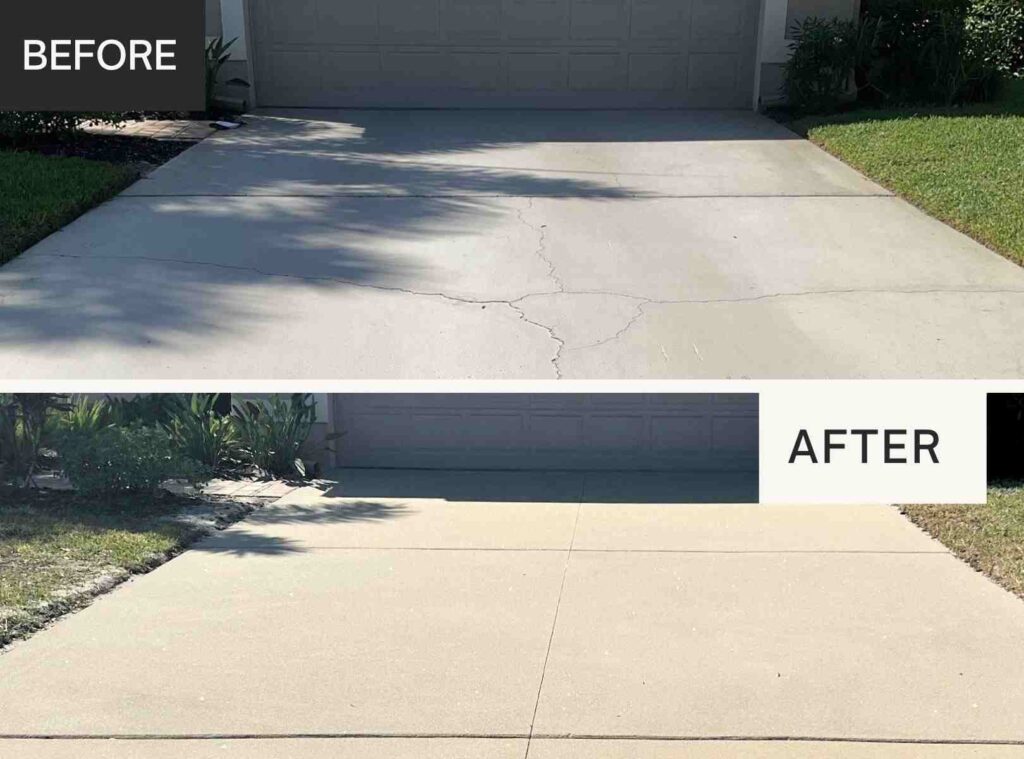
Driveway resurfacing options in Australia provide a practical way to restore worn, cracked, or outdated driveways without the expense of a full replacement. In simple terms, driveway resurfacing involves applying a new surface layer over an existing driveway to improve its appearance, strength, and lifespan.
If your driveway is structurally sound but visually tired or mildly damaged, resurfacing is often the most cost-effective and efficient solution. This guide explains how driveway resurfacing works, the materials available, typical costs, advantages and limitations, and how to decide if it is right for your property.
What Is Driveway Resurfacing?
Driveway resurfacing is the process of repairing and renewing the top layer of an existing driveway rather than removing and rebuilding it. The goal is to enhance durability, functionality, and visual appeal while minimising disruption and cost.
Unlike full replacement, resurfacing retains the original base and structure, provided it is stable. A new coating or overlay is applied to correct surface issues such as:
- Minor cracking
- Fading or discoloration
- Surface pitting
- Loss of traction
- General wear and tear
Resurfacing is commonly used on concrete, asphalt, and pebblecrete driveways across Australia.
How Driveway Resurfacing Works (Step-by-Step)
Understanding the process helps set realistic expectations and ensures better outcomes.
1. Inspection and Assessment
A professional contractor assesses the driveway’s condition to confirm it is suitable for resurfacing. Structural failures, severe subsidence, or deep cracking may require replacement instead.
2. Surface Preparation
This is a critical stage and typically includes:
- High-pressure cleaning
- Crack repairs and patching
- Removal of loose material
- Surface etching or priming
Poor preparation is the leading cause of resurfacing failure.
3. Application of New Surface
The chosen resurfacing material is applied evenly using specialised tools. Thickness, curing time, and finishing techniques vary depending on the product.
4. Curing and Sealing
Once applied, the surface is allowed to cure. A protective sealant is often added to improve longevity and resistance to weather and stains.
Common Driveway Resurfacing Options in Australia
Choosing the right resurfacing method depends on budget, appearance, traffic load, and climate exposure.
Spray-On Concrete Resurfacing
A cement-based coating sprayed over existing concrete.
Key features:
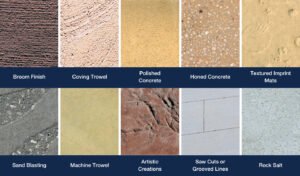
- Decorative finishes available
- Slip-resistant textures
- Fast installation
This option is widely used in residential properties due to its balance of cost and visual appeal.
Asphalt Resurfacing
A fresh asphalt layer applied over an existing asphalt driveway.
Best suited for:
- High-traffic areas
- Rural or semi-rural properties
- Functional, non-decorative driveways
Exposed Aggregate Overlay
A decorative concrete overlay exposing natural stones.
Advantages:
- Premium appearance
- High durability
- Increased property value
Pebblecrete Resurfacing
Pebblecrete can be resurfaced using binding agents and new coatings.
Considerations:
- Requires experienced installers
- Higher preparation costs
Driveway Resurfacing vs Driveway Replacement
Understanding the difference helps homeowners make informed decisions.
| Feature | Resurfacing | Replacement |
|---|---|---|
| Cost | Lower | Higher |
| Installation Time | 1–2 days | 5–10 days |
| Structural Repair | Limited | Complete |
| Design Flexibility | Moderate | High |
| Lifespan Extension | 10–15 years | 25–40 years |
Resurfacing is ideal when the base is sound. Replacement is necessary for major structural failure.
Cost of Driveway Resurfacing in Australia
Costs vary based on material, size, preparation needs, and location.
Average price ranges:
- Spray-on concrete: $30–$50 per m²
- Asphalt resurfacing: $25–$45 per m²
- Decorative overlays: $50–$100+ per m²
Factors that affect cost include:
- Extent of surface damage
- Drainage corrections
- Decorative finishes
- Access constraints
Compared to full replacement, resurfacing can save 40–60% in total project costs.
Pros and Cons of Driveway Resurfacing
Pros
- Cost-effective alternative to replacement
- Faster installation and minimal disruption
- Improves appearance immediately
- Extends driveway lifespan
- Environmentally friendly (less waste)
Cons
- Not suitable for severe structural damage
- Lifespan shorter than replacement
- Surface quality depends heavily on preparation
- Limited thickness for heavy vehicle loads
Who Should Use This / Who Should Not
Suitable For:
- Homeowners with cosmetic driveway issues
- Properties with stable concrete or asphalt bases
- Budget-conscious renovations
- Preparing a home for sale
Not Suitable For:
- Driveways with deep foundation cracks
- Severe drainage or subsidence issues
- Heavy industrial vehicle use
- Long-term structural failures
A professional assessment is essential before proceeding.
How Long Does Driveway Resurfacing Last?
With proper installation and maintenance, resurfaced driveways typically last:
- 10–15 years for spray-on concrete
- 8–12 years for asphalt resurfacing
Longevity depends on:
- Surface preparation quality
- Weather exposure
- Traffic load
- Regular sealing and cleaning
Periodic resealing every 3–5 years significantly extends lifespan.
Maintenance Tips After Resurfacing
Proper care protects your investment.
- Avoid heavy vehicles for at least 72 hours
- Clean regularly with mild detergents
- Reseal when recommended
- Repair minor cracks early
- Avoid harsh chemicals
Good maintenance prevents premature wear.
FAQ Section
Is driveway resurfacing cheaper than replacement?
Yes. Resurfacing typically costs 40–60% less than full driveway replacement when the base is structurally sound.
Can any driveway be resurfaced?
No. Driveways with severe structural damage or base failure usually require replacement.
How long before I can use my driveway after resurfacing?
Most resurfaced driveways are ready for light foot traffic within 24 hours and vehicle traffic within 48–72 hours.
Does resurfacing increase property value?
Yes. A visually appealing driveway improves kerb appeal and can positively influence buyer perception.
Is resurfacing suitable for sloped driveways?
Yes, provided drainage and surface bonding are correctly managed.
How do I choose the right resurfacing material?
Consider budget, appearance preferences, traffic load, and climate exposure. Professional advice is recommended.
Conclusion
Driveway resurfacing options in Australia offer a practical, affordable way to restore worn driveways while extending their lifespan and improving visual appeal. For homeowners dealing with cosmetic damage, fading, or minor cracking, resurfacing provides excellent value without the cost and disruption of full replacement.
The key to success lies in professional assessment, quality preparation, and choosing the right resurfacing method for your property’s needs. When done correctly, driveway resurfacing delivers long-lasting performance, improved safety, and enhanced kerb appeal.
If your driveway is showing signs of age but remains structurally sound, resurfacing is a solution worth serious consideration.