Skip to content

Choosing the best concrete finish for Canberra weather involves more than selecting a colour or pattern that looks good outside your home. Your driveway, patio or pathway needs to suit its exposure to sunlight, rain, cold winter mornings, everyday traffic and the maintenance you are prepared to undertake.
A finish that works well on a sheltered patio may not be the best choice for a sloping driveway or a pool surround that regularly becomes wet. Equally, the most attractive decorative coating will not perform as intended if the concrete underneath it is unstable or poorly prepared.
For many Canberra homeowners, decorative concrete resurfacing is worth considering when the existing slab remains suitable for restoration. It can refresh faded or outdated concrete without automatically requiring complete replacement. Other properties may benefit more from exposed aggregate, a straightforward broom finish or a compatible protective sealer.
The key is to match the finish to the surface, not simply choose the most popular option.
In this guide, we compare the main concrete finishing options, explain the practical considerations for Canberra properties and show you how to decide whether resurfacing, sealing or replacement makes the most sense.
What Makes Canberra Weather Important When Choosing Concrete?
Canberra experiences distinct seasons, including cool winters, occasional frost and warm to hot summer conditions. Local Bureau of Meteorology records also show that rainfall varies throughout the year. These conditions make exposure, moisture management and appropriate product selection important considerations for outdoor concrete.
Outdoor concrete experiences changing temperatures throughout the year. Existing cracks, movement joints, the underlying base and the condition of the slab all influence how well a finished surface performs. A decorative coating cannot prevent movement originating in an unstable slab.
2. Sunlight and weather exposure
A driveway exposed to direct sunlight may experience different conditions from a covered patio. Sunlight can affect colour retention and the suitability of some coating systems, so the product’s intended outdoor use and maintenance requirements matter.
3. Rain, drainage and winter conditions
Water that collects on a surface can contribute to staining, slippery conditions and deterioration where the underlying concrete or finish is vulnerable. Poor drainage also creates problems that a new decorative layer cannot solve by itself.
For Canberra properties, a sensible choice combines a suitable surface system, sound preparation, appropriate texture and effective water management.
The Best Concrete Finishes for Canberra Conditions
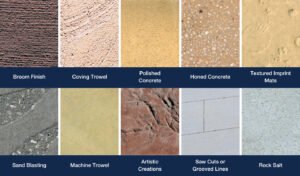
There is no universal winner. The following options serve different purposes, and the best choice depends on the existing concrete and how the finished area will be used.
1. Decorative spray paving and concrete resurfacing
Best for refreshing suitable existing concrete
Decorative spray paving applies a purpose-designed resurfacing finish to suitable existing concrete. It can introduce colour, texture and decorative patterns while retaining the underlying slab.
Why consider it: It offers design flexibility for driveways, patios and pathways without automatically requiring full concrete replacement. Textured and stencil-style finishes can create stone, slate or other decorative appearances.
What to check: The slab must be assessed for cracking, movement, contamination, drainage and surface deterioration. The chosen system must be suitable for the intended exposure and traffic.
2. Exposed aggregate concrete
Best for a stone-rich, textured appearance
Exposed aggregate reveals the stones within the concrete, creating a distinctive finish that can complement modern homes, established gardens and outdoor entertaining spaces.
Why consider it: Its appearance has natural variation, and the aggregate texture can provide useful traction depending on the stone, finish and installation.
What to check: Exposed aggregate is generally a finish formed as part of a concrete installation, rather than a decorative overlay for every existing slab. Aggregate exposure, drainage, surface texture and maintenance should be considered together. It is not automatically slip-proof.
3. Plain or broom-finished concrete
Best for straightforward functional surfaces
A broom finish introduces fine linear texture into fresh concrete. It is a practical option where simplicity and function matter more than elaborate patterns.
Why consider it: The appearance is understated, and the texture can offer useful grip when appropriately installed.
What to check: Broom finishing is normally specified during new concrete placement. It is not the same as resurfacing an existing driveway. Colour, drainage, slab design and workmanship still affect the final outcome.
4. Stencil and imitation stone finishes
Best for decorative design flexibility
Stencil concrete and imitation finishes can recreate the visual character of brick, slate, stone or pavers across a suitable concrete surface.
Why consider it: You can coordinate the driveway or patio with the home’s exterior, garden edging and landscaping without necessarily installing individual paving units.
What to check: The finished texture, colour, sealer and application method should suit outdoor exposure and the intended use. A decorative pattern is a design choice, not a guarantee of superior weather performance.
5. Concrete sealing and protective treatments
Best for maintaining suitable existing concrete
Sealing may be appropriate when the concrete is structurally sound and the main objective is reducing staining, improving cleanability or providing additional surface protection.
Why consider it: A compatible sealer can help manage certain forms of moisture ingress and surface contamination, depending on the product.
What to check: Sealers are not interchangeable. Compatibility with the existing surface, appearance, slip characteristics, exposure and maintenance requirements must be considered. A sealer will not repair structural cracks or correct poor drainage.
6. Epoxy flooring for garages and indoor areas
Best for suitable indoor concrete floors
Epoxy flooring provides a finished surface for garages, workshops and selected commercial environments. Depending on the system, it can offer a seamless appearance, easier cleaning and resistance to particular spills and chemicals.
Why consider it: It is useful where the floor needs to handle vehicle traffic, everyday wear or regular cleaning.
What to check: Moisture conditions, substrate preparation and system specifications are essential. Conventional epoxy should not be treated as a universal outdoor driveway solution; exterior exposure and ultraviolet stability need specific consideration.
Quick comparison: which finish should you shortlist?
| Finish | Main advantage | Important limitation |
|---|---|---|
| Decorative spray paving | Refreshes suitable existing concrete with colour and texture | Depends on substrate condition and system suitability |
| Exposed aggregate | Distinctive stone appearance | Often requires new concrete installation |
| Broom-finished concrete | Simple, functional finish | Usually specified during new placement |
| Stencil or imitation finish | Flexible decorative designs | Performance depends on the full installed system |
| Concrete sealing | Adds compatible surface protection | Does not repair structural problems |
| Epoxy flooring | Useful for suitable garages and indoor floors | Requires appropriate moisture control and product selection |
The practical takeaway is that the finish, substrate, installation and maintenance plan work together. No surface type should be selected on appearance alone.
Which Concrete Finish Is Best for Your Property?
For concrete driveways
Driveways experience vehicle loads, tyre friction, dirt, oil and regular exposure to rain and sunlight. A suitable finish needs to accommodate these demands while remaining manageable to clean. If your existing driveway is sound but faded, stained or outdated, decorative concrete resurfacing may offer a useful balance of appearance and practicality. Textured spray paving can introduce a more contemporary look or replicate stone-style patterns.
Exposed aggregate is another option to consider when installing a new driveway. A plain broom finish may suit homeowners who prefer a simpler appearance. Before choosing, check the driveway’s slope, drainage, existing cracks and expected vehicle use. A steep or frequently wet driveway requires particular attention to slip resistance.
For patios and outdoor entertaining areas
Patios often place greater emphasis on appearance, comfort and ease of maintenance. Decorative spray paving or stencil finishes can coordinate the concrete with the home’s exterior and surrounding garden. A textured finish may be worth considering where rain regularly reaches the surface. However, the texture should remain practical to clean and comfortable for the intended use.
If the slab is in good condition and only looks tired, resurfacing can be assessed before committing to replacement.
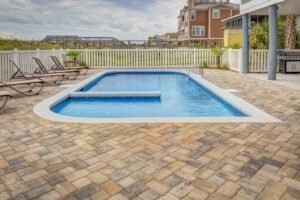
For pool surrounds and pathways
Wet pedestrian surfaces require careful attention to slip resistance. The right specification depends on the complete installed surface, including its texture, slope, drainage, cleaning regime and exposure to contaminants.
Do not assume that a heavily textured surface automatically meets a required slip-resistance classification. Where compliance or higher-risk use is relevant, discuss appropriate testing and classification with the contractor. Australian guidance distinguishes between testing new pedestrian surface materials and assessing existing surfaces.For pathways, also consider accessibility, changes in level and water collecting along the route.
For garages and commercial floors
Indoor garages and selected commercial areas may benefit from epoxy flooring when the concrete and operating conditions are suitable. Vehicle traffic, cleaning products, spills, moisture and abrasion should guide system selection.
Commercial spaces may also require line marking, defined work areas or additional safety considerations. These requirements are different from those of an exposed residential driveway, so the finish should be selected accordingly.
Resurfacing, Sealing or Replacing Existing Concrete?
One of the most useful decisions is determining whether your concrete needs a new appearance, added protection or more extensive reconstruction.
Consider resurfacing when:
- The existing slab is sufficiently stable and suitable for the proposed system.
- The main issues are faded colour, surface wear or an outdated appearance.
- You want to introduce decorative texture or patterns.
- The required preparation and repairs are achievable within the resurfacing system’s specifications.
Consider cleaning and sealing when:
- The concrete remains in satisfactory condition.
- Dirt, surface contamination or staining is the primary concern.
- A compatible protective treatment is appropriate for the surface.
- You want to maintain the existing appearance rather than introduce a new decorative finish.
Investigate repair or replacement when:
- There is significant movement, extensive structural cracking or substantial slab deterioration.
- Water drainage or the underlying base needs corrective work.
- The concrete is unsuitable for the proposed overlay.
- The required changes cannot be achieved reliably with a surface treatment.
These categories are not mutually exclusive. A project might require cleaning, local repairs and resurfacing, while another may need engineering assessment or replacement. The important point is to diagnose the problem before choosing a finish. Covering damaged concrete without addressing its cause can lead to disappointing results.
For more detail on the restoration process, see concrete resurfacing in Canberra.
What Matters More Than the Finish Itself?
Even a well-chosen concrete system can underperform if the work underneath it is overlooked.
1. Professional surface preparation
Preparation can involve cleaning, removing unsuitable material, addressing surface defects and creating the conditions required for adhesion. The exact process depends on the concrete and the system being installed.
Oil, dirt, existing coatings and weak surface material may interfere with bonding. The contractor should identify these issues and explain how the proposed system will address them.
Spray Pave Canberra’s service range includes resurfacing, decorative finishes and a blanket coat system intended to provide a suitable base for selected finishes. Whether a particular preparation system is appropriate should be confirmed after assessing the surface.
2. Drainage and slip resistance
A finish cannot compensate for water that continually pools in the wrong place. Before work begins, identify low spots, runoff paths, downpipes and areas where water collects.
For outdoor pedestrian surfaces, ask how the selected finish will perform when wet and what evidence supports its slip-resistance claims. The actual surface and its maintenance condition matter, not just the product description.
3. Sealing and ongoing maintenance
Some resurfacing systems use a protective sealer as part of the specified finish. Others may require different maintenance or recoating arrangements. Follow the manufacturer’s cleaning and maintenance instructions. Avoid harsh chemicals or aggressive cleaning methods unless they are confirmed as compatible with the installed surface. Inspect the finish periodically for peeling, wear, new cracks or recurring water problems. Addressing emerging issues early can help prevent avoidable deterioration.
4. Correct installation conditions
Coatings and overlays have specific requirements for substrate moisture, temperature, application and curing. The installer should follow the selected manufacturer’s instructions rather than assume every product can be applied in the same conditions.
This is particularly relevant when scheduling outdoor work around changing weather. A suitable system still needs to be installed under appropriate conditions.
What Affects Concrete Resurfacing Cost in Canberra?
There is no reliable single price for every driveway or patio. The cost depends on the project, the condition of the existing concrete and the finish selected.
The main factors include:
- Surface area: The total area affects material quantities and labour requirements.
- Concrete condition: Damaged, contaminated or uneven concrete may need additional preparation or repair.
- Chosen finish: Decorative colours, stencil patterns and texture options can affect the scope of work.
- Access and layout: Edges, steps, slopes and difficult access can complicate installation.
- Protection and maintenance: The selected system may have specific sealing and maintenance requirements.
When comparing quotes, make sure you understand what preparation, repairs, finishing and clean-up are included. A lower initial price is not necessarily the better value if the scope is incomplete.
Ask whether the quoted system is appropriate for the actual surface and exposure, what maintenance it requires and what warranty terms apply.
Questions to Ask Before Choosing a Concrete Finish
Before committing to a driveway or outdoor concrete upgrade, ask your contractor:
- Is my existing concrete suitable for resurfacing, or does it need repair or replacement?
- What preparation will be carried out before the finish is applied?
- Is the proposed system suitable for direct sunlight, rain and the intended outdoor use?
- What slip-resistance information is available for the completed surface?
- How will existing cracks, movement joints and drainage issues be handled?
- What cleaning, sealing or future maintenance will be required?
- What does the quote include, and which warranty terms apply to the selected system?
These questions help you compare recommendations on more than colour, pattern and initial price.
Why Consider Spray Pave Canberra?
Spray Pave Canberra provides concrete resurfacing and decorative spray paving services across Canberra and surrounding ACT suburbs, including Belconnen, Gungahlin, Tuggeranong, Woden Valley and Weston Creek. Its service range includes decorative driveway finishes, patio resurfacing, stencil concrete and concrete cleaning and sealing.
For a suitable existing driveway or patio, the team can assess the concrete and discuss finish options based on the surface condition, appearance you want and intended use. The website also identifies a seven-year workmanship warranty for selected systems. Confirm the applicable system, coverage and terms when requesting your quote; warranty coverage should not be assumed to apply identically to every service.
If your concrete has become faded, worn or dated, request a free quote to discuss the available options before deciding whether resurfacing or replacement is the better approach.
Explore Spray Pave Canberra’s concrete resurfacing services or request a quote through the main website.
Frequently Asked Questions
What is the best concrete finish for Canberra weather?
There is no single best finish for every property. Decorative resurfacing may suit sound existing concrete that needs a visual upgrade, while exposed aggregate or broom-finished concrete may be suitable for new driveway installations. The right option depends on exposure, drainage, traffic, slip resistance and maintenance.
Is concrete resurfacing suitable for Canberra winters?
It can be suitable for outdoor concrete when the existing slab is appropriate and the selected system is designed for the intended exposure. Surface preparation, moisture conditions, installation requirements and curing are important. Resurfacing should not be used to conceal unresolved structural problems.
Is exposed aggregate better than decorative concrete resurfacing?
Neither is automatically better. Exposed aggregate offers a stone-rich finish commonly associated with new concrete installations. Decorative resurfacing can refresh suitable existing concrete with colours, textures and patterns. Compare the installation requirements, surface condition, appearance and maintenance before deciding.
Can you resurface a cracked concrete driveway?
Some minor surface defects may be repairable before resurfacing, but the cause and extent of cracking must be assessed. Cracks caused by movement or significant slab damage may require a different repair approach or replacement. A decorative coating alone cannot guarantee that cracks will not reappear.
Does sealing protect concrete from weather damage?
A compatible sealer can provide additional protection against certain forms of moisture ingress, staining and surface contamination. Its performance depends on the product, substrate and exposure. Sealing does not make concrete immune to weathering, repair structural defects or eliminate maintenance.
What concrete finish is safest around a pool?
Choose a finish specified for wet pedestrian use, with appropriate slip-resistance performance, drainage and maintenance. Do not select solely on appearance or texture. Discuss the relevant slip-resistance requirements with your contractor and verify the suitability of the completed surface.
How do I maintain decorative concrete outdoors?
Follow the installed system’s care instructions, clean dirt and spills using compatible products, and inspect the surface periodically. Monitor for wear, peeling, cracking and water pooling. Resealing should follow the system manufacturer’s recommendations rather than an assumed universal schedule.
Is resurfacing cheaper than replacing a driveway?
Resurfacing may be less disruptive and more economical when the existing slab is suitable, but the answer depends on preparation, repairs, access, finish and the condition of the concrete. Obtain a project-specific quote and compare the complete scope with the cost of repair or replacement.
Which concrete finish requires the least maintenance?
Maintenance depends on the system, traffic, exposure and the level of cleanliness you expect. A simpler finish may be easier to clean, while decorative surfaces can also be practical when correctly installed and maintained. Ask the contractor for system-specific cleaning and resealing instructions.
How do I choose a concrete resurfacing contractor in Canberra?
Look for a contractor who assesses the existing slab, explains preparation and repairs, specifies a suitable finish, discusses wet-weather safety and provides a clear written quote. Confirm licensing and insurance where applicable, and check which workmanship warranty terms apply to the proposed system.