Skip to content
Introduction
Concrete resurfacing in Canberra is a practical way to repair, upgrade, and modernise existing concrete surfaces without the cost and disruption of full replacement. It involves applying a new, durable surface layer over old concrete to restore appearance, improve performance, and extend lifespan.
If you are researching concrete resurfacing in Canberra, this guide explains exactly how it works, what it costs, when it is the right choice, and when it is not. You will also learn about finishes, durability, maintenance, and common mistakes to avoid so you can make an informed decision with confidence.
This article is written for homeowners, students, and first-time renovators who want clear, trustworthy, and technically accurate information.
What Is Concrete Resurfacing?
Concrete resurfacing is the process of applying a specialised cement-based or polymer-modified coating over existing concrete. Instead of removing and replacing a slab, the surface is repaired, prepared, and covered with a new layer designed to bond permanently to the original concrete.
What Surfaces Can Be Resurfaced?
Concrete resurfacing is commonly used on:
- Driveways
- Pathways and walkways
- Patios and outdoor entertaining areas
- Pool surrounds
- Garage floors
- Commercial entryways
As long as the underlying slab is structurally sound, resurfacing is usually possible.
How It Differs From Concrete Replacement
Concrete replacement involves demolition, waste removal, formwork, and pouring a new slab. Resurfacing keeps the existing slab and focuses on improving its surface condition.
Key differences:
- Less time on site
- Lower material and labour costs
- Minimal disruption to surrounding landscaping
- Faster curing and usability
Why Concrete Resurfacing Is Popular in Canberra
Canberra’s climate places unique demands on concrete surfaces. Hot summers, cold winters, and occasional frost can cause cracking, scaling, and surface wear over time.
Concrete resurfacing is popular in Canberra because it:
- Restores weather-damaged concrete
- Improves slip resistance during wet or icy conditions
- Allows decorative finishes suited to modern homes
- Costs significantly less than replacement
- Complies with local residential and commercial needs
Homeowners often choose resurfacing as part of renovations or pre-sale property improvements.
The Concrete Resurfacing Process Explained Step by Step
Understanding the process helps set realistic expectations about time, cost, and outcomes.
1. Inspection and Assessment
A professional contractor will inspect:
- Cracks and surface damage
- Drainage and slope
- Structural integrity of the slab
- Previous coatings or sealers
If the slab is unstable or heavily damaged, resurfacing may not be recommended.
2. Surface Preparation
Preparation is critical to long-term performance.
This typically includes:
- High-pressure cleaning
- Grinding or acid etching
- Crack repair and patching
- Removal of loose or flaking material
Poor preparation is the most common cause of resurfacing failure.
3. Application of the Resurfacing System
Depending on the chosen finish, contractors apply:
- A base coat or primer
- One or more resurfacing layers
- Texture or pattern elements if required
Specialised tools ensure even thickness and strong bonding.
4. Decorative Finishing
Optional decorative treatments may include:
- Colour pigments
- Stencilled or stamped patterns
- Trowel textures
- Anti-slip additives
5. Sealing and Curing
A protective sealer is applied to:
- Enhance colour
- Improve stain resistance
- Protect against UV and moisture
Most resurfaced areas are walkable within 24 hours and vehicle-ready within a few days.
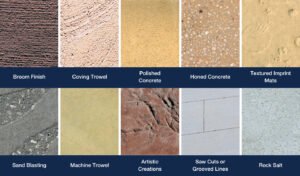
Types of Concrete Resurfacing Finishes
Concrete resurfacing is not just functional; it is also a design upgrade.
Spray-On Resurfacing
This is one of the most popular options for driveways and paths.
Features:
- Light textured finish
- Excellent slip resistance
- Cost-effective
- Ideal for large areas
Stencilled or Patterned Concrete
This finish mimics materials such as:
- Brick
- Pavers
- Stone
It provides a decorative look without the maintenance of individual pavers.
Polished or Smooth Overlay Systems
Often used indoors or in garages.
Benefits include:
- Modern appearance
- Easy cleaning
- High durability
Exposed Aggregate-Style Overlays
These replicate the look of exposed aggregate without removing the slab.
Concrete Resurfacing Canberra: Cost Factors Explained
Costs vary based on several practical factors rather than a single fixed rate.
Key Cost Influencers
- Size of the area
- Surface condition and repair requirements
- Type of resurfacing system
- Decorative complexity
- Access and site conditions
Typical Cost Ranges (General Guidance)
While exact pricing requires an on-site assessment, resurfacing is generally:
- Significantly cheaper than full replacement
- More affordable for larger areas compared to pavers
- Scalable depending on finish and preparation work
Professional resurfacing offers better long-term value than DIY kits, which often fail within a few years.
Pros and Cons of Concrete Resurfacing
Advantages
- Extends the life of existing concrete
- Lower cost than replacement
- Faster project completion
- Wide range of design options
- Improves safety and slip resistance
Disadvantages
- Not suitable for severely damaged slabs
- Quality depends heavily on preparation
- Requires professional expertise
- Periodic resealing needed
Who Should Use Concrete Resurfacing?
Concrete resurfacing is ideal for:
- Homeowners with worn but stable concrete
- Property sellers improving kerb appeal
- Landlords seeking durable upgrades
- Commercial premises needing fast turnaround
- Renovations where demolition is impractical
Who Should Not Use It?
Resurfacing may not be suitable if:
- The slab has major structural movement
- There are deep or ongoing foundation issues
- The concrete is severely spalled or crumbling
- Drainage problems are unresolved
In these cases, replacement or structural repair may be necessary.
Durability and Lifespan
When installed correctly and maintained properly, resurfaced concrete can last:
- 10–20 years or more
- Even longer in low-traffic areas
Key factors affecting lifespan:
- Quality of surface preparation
- Product system used
- Exposure to weather and traffic
- Ongoing maintenance
Maintenance Requirements
Concrete resurfacing is low maintenance compared to many alternatives.
Recommended care includes:
- Regular sweeping and washing
- Avoiding harsh chemicals
- Resealing every few years
- Prompt repair of minor damage
Good maintenance significantly extends service life.
Common Mistakes to Avoid
- Choosing the cheapest quote without checking experience
- Skipping surface preparation
- Using indoor products outdoors
- Ignoring drainage and slope issues
- Delaying sealing or maintenance
These mistakes often lead to premature failure.
Frequently Asked Questions
Is concrete resurfacing suitable for Canberra’s climate?
Yes. When installed with appropriate products and sealers, resurfacing performs well in Canberra’s hot summers and cold winters.
How long does concrete resurfacing take?
Most residential projects are completed within 1–3 days, depending on size and complexity.
Can old cracks show through resurfacing?
Hairline cracks are usually repaired, but structural cracks may reappear if movement continues.
Is resurfaced concrete slippery?
No, most systems include textured finishes or anti-slip additives for safety.
How soon can I use the surface?
Foot traffic is usually allowed after 24 hours, with vehicles after several days.
Does resurfacing increase property value?
Yes. Improved appearance and durability can enhance kerb appeal and buyer perception.
Conclusion
Concrete resurfacing in Canberra is a cost-effective, durable, and visually flexible solution for restoring worn concrete surfaces. It offers a practical alternative to replacement while improving safety, appearance, and long-term performance.
The key to success lies in proper assessment, professional preparation, and choosing the right resurfacing system for local conditions. For homeowners and property managers seeking reliable results without unnecessary demolition, concrete resurfacing remains one of the most efficient upgrades available.
If your concrete is structurally sound but visually tired, resurfacing is often the smartest next step.