Skip to content

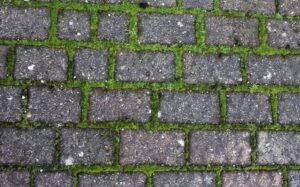
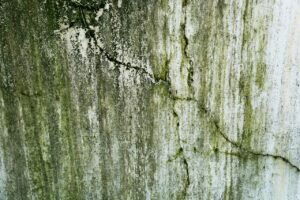
Mould on concrete can make an otherwise well-maintained driveway, patio, pathway or pool area look neglected. Dark patches, green growth and persistent staining are especially noticeable on outdoor concrete, where moisture, shade, organic debris and weather exposure can all contribute to surface buildup.
The good news is that mould can often be removed from suitable concrete with the right cleaning approach. But there is an important distinction between removing the visible growth and dealing with the conditions that allow it to return.
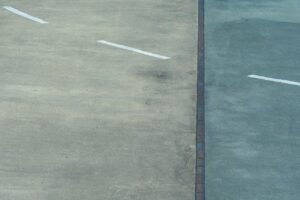
For Canberra property owners, that distinction matters. A surface may look clean immediately after pressure cleaning, only for organic buildup to reappear because the area remains damp, poorly drained or shaded.
This guide explains how to remove mould from concrete, what to avoid, when pressure cleaning is appropriate, and when a dirty surface may actually need a different treatment such as sealing or resurfacing.
Why Does Mould Appear on Concrete?
Concrete is a hard building material, but outdoor concrete is constantly exposed to its surroundings. Moisture, dirt, leaves, organic debris and limited airflow can create conditions where mould and other organic growth become visible. Shaded areas can stay damp for longer, while poor drainage or recurring water exposure can make the problem more persistent.
Canberra’s climate also means outdoor surfaces experience considerable seasonal variation. The Bureau of Meteorology describes the Canberra region as having cool to cold winters and mild to warm summers, with rainfall occurring throughout the year. However, the local conditions at an individual property are just as important as the broader climate. Shade, drainage, orientation, surface texture and how frequently the area is used can all affect buildup.
Common locations include:
- Concrete driveways
- Patios and entertaining areas
- Garden paths
- Pool surrounds
- Steps and entry areas
- Garage entrances
- Commercial walkways
- Concrete carparks and other outdoor hard surfaces
The important point is that mould is often a surface-maintenance problem combined with a moisture problem. Cleaning the visible growth is useful, but controlling the conditions that encourage recurring growth is equally important.
Is It Mould, Moss or Algae?
Not every dark or green patch on outdoor concrete is necessarily mould. Concrete can develop a range of organic buildup, including mould, moss and algae-like growth. Dirt and staining can also make the surface look similar. This distinction matters because the correct cleaning approach depends on the type of contamination, the concrete finish and the condition of the surface.
For a homeowner, the practical first step is not necessarily identifying the exact organism. It is determining whether the surface has removable organic buildup or whether the apparent “mould” is actually persistent staining, surface deterioration or a combination of problems.
That becomes particularly important on older decorative concrete.
If cleaning removes the buildup and the concrete underneath looks sound, the job may simply require routine maintenance. If significant staining, fading or deterioration remains, cleaning has done something useful: it has revealed the actual condition of the concrete.
How to Remove Mould from Concrete
If you are dealing with a relatively small area of outdoor concrete and the surface is otherwise sound, you can start with a careful cleaning process.
1. Clear Loose Dirt and Organic Debris
Before cleaning the mould itself, remove leaves, soil, loose dirt and other debris from the surface. Organic material can hold moisture against concrete and make cleaning more difficult. Clearing the area first also gives you a better view of how extensive the affected area actually is. Pay attention to corners, edges, areas beside garden beds and locations where water tends to collect.
2. Choose the Right Cleaning Method
For hard concrete surfaces, water and an appropriate detergent-based cleaning approach can be effective for removing surface mould and organic contamination. Guidance from the US Environmental Protection Agency recommends cleaning mould from hard surfaces with detergent and water and then drying the surface thoroughly. Moisture control is also identified as a key part of mould control.
The important word is appropriate.
Concrete surfaces are not all identical. A plain, sound driveway can tolerate a different cleaning approach from an aged decorative surface, a previously sealed area or concrete showing signs of deterioration. Do not assume that maximum pressure automatically produces the best result.
3. Scrub or Pressure Clean Carefully
For small areas, manual scrubbing may be enough. For larger outdoor areas, pressure cleaning can provide more consistent coverage and remove accumulated dirt, mould, moss and other surface contaminants. However, pressure washing should be controlled rather than aggressive for the sake of being aggressive.
Aged concrete, decorative finishes and surfaces with existing damage can require greater care. Holding a pressure-washing nozzle too close to the surface or repeatedly concentrating the spray in one area can affect the concrete or existing finish.
Spray Pave Canberra’s high-pressure concrete cleaning service is designed for applications including residential driveways, patios and pool surrounds as well as commercial carparks, warehouses and office floors. Its service information specifically identifies mould, moss, grime and stains as surface contaminants that can be removed through its cleaning process.
4. Rinse Thoroughly
After cleaning, rinse the area thoroughly so loosened dirt and cleaning residue are removed from the surface. Pay particular attention to edges, joints and textured sections where residue can remain trapped. If the concrete forms part of a pool surround, pathway or another regularly occupied area, consider where dirty water and loosened debris are being directed during the cleaning process.
5. Let the Concrete Dry Completely
Drying is not an optional finishing step. The EPA recommends drying cleaned hard surfaces thoroughly because remaining moisture can encourage further mould growth. Allowing the surface to dry also gives you a much clearer picture of the result.
A wet concrete surface can temporarily appear darker than it really is. Once dry, you can determine whether:
- The mould has been removed successfully
- Dark staining remains
- The concrete itself is faded
- The surface has become worn
- Further cleaning is necessary
- A protective treatment may be appropriate
This is where many property owners make a useful discovery: the problem they thought was “mouldy concrete” may actually be mould plus an ageing concrete surface.
Why Pressure Washing Alone May Not Be Enough
Pressure cleaning is effective at removing many types of surface contamination, but it does not automatically solve every cause of recurring mould. If an area repeatedly becomes damp, the growth can return.
For example, consider a shaded section of a patio beside dense landscaping. If leaves accumulate there, moisture remains on the surface and airflow is limited, cleaning may produce a good short-term result without changing the conditions responsible for the recurring buildup.
The same principle applies to areas affected by drainage problems or persistent water exposure. There is another issue: some staining may remain after the visible organic growth has been removed. Concrete is not perfectly smooth. Its surface profile can retain contaminants and staining, while older concrete may already have discolouration or wear.
The aim should therefore be to distinguish between:
surface contamination that can be cleaned
and
underlying surface condition that requires another treatment.
Spray Pave Canberra’s concrete-cleaning guidance makes this distinction explicit: cleaning removes contamination, but it does not automatically repair fading, surface wear, deterioration or an outdated finish.
What Causes Mould to Return?
If mould keeps appearing on the same concrete surface, look beyond the visible stain.
Common contributing conditions can include:
Persistent moisture
Regular water exposure gives organic growth favourable conditions.
Poor drainage
Water that repeatedly sits on or around the concrete can make recurring buildup more likely.
Heavy shade
Areas that receive limited direct sunlight may remain damp for longer.
Organic debris
Leaves, soil and garden debris can retain moisture and contribute to surface contamination.
Surface texture
Textured concrete can provide more areas where dirt and organic material accumulate.
Infrequent maintenance
Small amounts of buildup can become much more noticeable when left for extended periods. This does not mean every mould problem has a single identifiable cause. The practical lesson is that cleaning and moisture management work together. If you remove the visible growth but do nothing about a recurring moisture problem, another cleaning cycle may eventually be needed.
How to Prevent Mould Coming Back
You cannot necessarily prevent every instance of mould or organic growth on outdoor concrete, but routine maintenance can help reduce buildup.
A practical maintenance routine includes:
- Remove leaves and organic debris regularly.
- Keep drainage paths clear.
- Avoid allowing water to remain on the surface unnecessarily.
- Clean visible buildup before it becomes extensive.
- Monitor shaded sections of patios and pathways.
- Pay attention to areas that repeatedly become damp.
- Follow the maintenance requirements of any existing sealer or decorative finish.
- Inspect the surface after cleaning for signs of deterioration.
The objective is not to keep outdoor concrete permanently spotless. It is to prevent minor contamination from becoming a larger maintenance problem.
When DIY Concrete Mould Removal Makes Sense
DIY cleaning can be reasonable when the affected area is relatively small and the concrete is in good condition.
It may be suitable when:
- The mould or organic buildup is limited.
- The concrete is sound.
- There is no delicate coating to protect.
- You understand the condition of the surface.
- You have suitable cleaning equipment.
- You can safely manage the cleaning process.
- You can allow the concrete to dry properly afterwards.
For a small patio corner or short pathway, a homeowner may not need professional equipment. The situation changes when the affected area becomes large, heavily stained or difficult to clean consistently.
When to Use Professional Concrete Cleaning
Professional concrete cleaning can be worthwhile when the surface is large or the condition is uncertain.
Consider getting professional help if:
- A large driveway is covered in mould or organic buildup.
- Pressure cleaning has produced inconsistent results.
- The concrete is heavily weathered.
- The surface is decorative or textured.
- You are concerned about damaging an existing finish.
- The area is commercial or high traffic.
- Staining remains after the visible growth has been removed.
- You want to clean and then seal the concrete.
- You are unsure whether the concrete needs cleaning or resurfacing.
For Canberra homes and businesses, Spray Pave Canberra provides high-pressure concrete cleaning for driveways, patios, pool surrounds, commercial carparks, warehouses and office floors.
The benefit of professional cleaning is not simply having someone operate a pressure washer. A proper assessment can help determine what the surface actually needs before another treatment is considered.
Mould on Different Concrete Surfaces
Driveways
Driveways are exposed to vehicles, weather, dirt and organic debris every day. Mould and other buildup can make an otherwise attractive driveway look dark and neglected. Pressure cleaning can remove surface contamination and provide a clearer view of the concrete underneath. If the driveway looks good once clean, cleaning may be enough. If it remains faded or worn, resurfacing could become a separate consideration.
Patios
Patios can develop mould and organic buildup around furniture, garden edges, shaded areas and locations where leaves collect. A good clean can make a significant difference without requiring a major renovation. Spray Pave Canberra also offers patio resurfacing, so if cleaning reveals that the concrete remains worn or outdated, the property owner can consider whether a new decorative finish is appropriate.
Pathways
Paths are particularly important because people regularly walk across them. Organic buildup should not simply be viewed as an appearance issue. A dirty or contaminated surface can affect how the surface feels underfoot, particularly when wet. Cleaning should therefore consider both appearance and the intended use of the pathway.
Pool Surrounds
Pool surrounds require extra care because they combine outdoor exposure, moisture and frequent barefoot use. Cleaning can remove accumulated organic matter and grime, but any additional treatment should take the existing surface and its intended use into account.
If a pool surround is being considered for resurfacing, surface texture and slip resistance become important finish-selection considerations. Spray Pave Canberra specifically identifies textured and slip-resistant resurfacing options for suitable outdoor areas.
Commercial Concrete
Commercial properties can have much larger concrete areas and greater traffic than residential properties. Carparks, entrances, warehouse floors and walkways may accumulate dirt and organic contamination while also needing to maintain a professional appearance. For these surfaces, consistency matters. A property manager may also need to consider access, traffic, maintenance requirements and the condition of the existing finish before deciding how the area should be cleaned.
What If Mould Stains Remain After Cleaning?
This is one of the most important questions to ask. If the visible mould has been removed but a dark mark remains, it does not automatically mean the cleaning failed.
The remaining appearance could be related to:
- Embedded staining
- Previous organic growth
- Faded concrete
- Surface wear
- Existing discolorations
- An ageing decorative finish
- Minor surface deterioration
The EPA also notes that cleaning does not necessarily restore an affected material to its original appearance. This is why it is useful to inspect concrete after it has been thoroughly cleaned and dried. You may discover that the surface needs no further work. Alternatively, you may find that cleaning has revealed an older concrete surface that would benefit from protection or resurfacing.
Concrete Cleaning vs Clean & Seal vs Resurfacing
These three treatments solve different problems.
| Treatment | When it may be appropriate | Main objective |
|---|---|---|
| Concrete cleaning | Concrete is dirty or affected by surface buildup | Remove contamination |
| Clean & Seal | Suitable concrete needs additional protection | Clean and protect |
| Concrete resurfacing | Suitable concrete remains worn, faded or outdated | Transform the existing surface |
Cleaning
If mould, dirt or organic buildup is the main problem and the concrete otherwise looks good, cleaning may be all you need. There is little reason to undertake a major surface renovation if a professional clean produces the result you want.
Clean & Seal
If the concrete looks good after cleaning but you want additional surface protection, Clean & Seal may be worth discussing. Spray Pave Canberra describes its Clean & Seal service as a treatment for suitable concrete where protection from factors including moisture, stains, UV exposure, abrasion and everyday wear is required.
The suitability of sealing depends on the existing surface and the selected system. A sealer should not be viewed as a substitute for correcting serious surface problems.
Resurfacing
Sometimes cleaning reveals that mould was only one part of the problem. If the concrete is clean but remains faded, worn, outdated or aesthetically unsuitable, resurfacing may provide a more meaningful transformation.
Spray Pave Canberra’s core resurfacing approach is based on assessing whether existing concrete is suitable before recommending a resurfacing system. The company provides resurfacing for applications including driveways, patios, pathways, pool surrounds, garages and commercial surfaces.
That means resurfacing should not be presented as the automatic answer to mould.
Clean first. Assess the concrete. Then decide what it actually needs.
When Should You Consider Concrete Resurfacing?
Mould removal and concrete resurfacing are related, but they are not the same service.
You may want to discuss resurfacing when:
- The concrete remains visibly worn after cleaning.
- The original colour has faded significantly.
- The surface looks outdated.
- You want a decorative finish.
- You want to change the appearance without automatically replacing the slab.
- Minor surface imperfections remain and the existing concrete is otherwise suitable.
- You want to improve the overall appearance of a driveway, patio or outdoor area.
Spray Pave Canberra specialises in decorative resurfacing and can provide finishes involving colour, texture, stencil-style patterns and natural-material appearances on suitable existing concrete.
The key word is suitable.
A surface should be assessed before assuming that resurfacing is appropriate.
A Practical Canberra Approach to Concrete Mould Removal
If you have mould on concrete at your Canberra property, the decision process can be simple:
Step 1: Identify the affected area and remove loose organic debris.
Step 2: Determine whether the concrete is sound and whether it has an existing coating or decorative finish.
Step 3: Use an appropriate cleaning method rather than automatically applying maximum pressure.
Step 4: Rinse the surface and allow it to dry completely.
Step 5: Look at the concrete again once it is dry.
Step 6: If the surface looks good, continue with sensible maintenance.
Step 7: If protection is required, consider whether Clean & Seal is appropriate.
Step 8: If the concrete remains worn, faded or outdated, investigate whether resurfacing is suitable.
This approach prevents a common mistake: treating every dirty concrete surface as though it needs a complete renovation.
Professional Concrete Cleaning in Canberra
For Canberra homeowners, businesses and property managers, removing mould from concrete is often best approached as a surface-condition question rather than simply a cleaning question.
Spray Pave Canberra provides high-pressure concrete cleaning for residential and commercial concrete, including driveways, patios, pool surrounds, carparks, warehouses and office floors. The company’s broader surface-treatment services also include Clean & Seal and concrete resurfacing, allowing the next step to be considered after the surface has been cleaned.
That is particularly useful when you are not sure whether your concrete simply needs a good clean, needs additional protection, or has reached the point where resurfacing should be considered.
If you have mould, moss, grime or stubborn organic buildup on a driveway, patio, pathway or commercial concrete surface in Canberra or the surrounding ACT, Spray Pave Canberra can assess the surface and discuss the appropriate treatment.
Request a free quote to find out whether your concrete needs professional cleaning, Clean & Seal, or a more substantial surface restoration solution.
Frequently Asked Questions
What is the easiest way to remove mould from concrete?
For a small area of suitable concrete, start by removing loose debris and cleaning the affected surface with an appropriate detergent-and-water method. Scrubbing or controlled pressure cleaning can then be used depending on the surface. Thorough drying is important because moisture contributes to recurring mould growth.
Does pressure washing remove mould from concrete?
Pressure washing can remove mould and other surface contaminants from suitable concrete, but it does not necessarily address the conditions that caused the growth. Pressure should also be appropriate for the age, finish and condition of the concrete.
Why does mould keep coming back on my concrete?
Recurring moisture, poor drainage, shade, organic debris and limited airflow can all contribute to recurring organic buildup. Cleaning the surface without addressing persistent environmental conditions may only provide a temporary improvement.
Can mould permanently stain concrete?
It can leave persistent discolouration or staining, and cleaning may not always restore the concrete to its original appearance. Once the surface is clean and dry, remaining marks should be assessed to determine whether they are staining, fading or surface deterioration.
Should I seal concrete after removing mould?
Not automatically. Sealing can be appropriate for suitable concrete where additional protection is wanted, but the surface should be properly cleaned, dry and assessed first. Sealing should not be used to cover an unresolved contamination or significant surface problem.
Is concrete resurfacing necessary if mould has damaged the appearance?
Not necessarily. If the concrete simply has surface mould, cleaning may be enough. Resurfacing becomes more relevant when the concrete remains worn, faded or outdated after cleaning and the existing slab is suitable for a resurfacing system.
Can I remove mould from a concrete driveway myself?
Small areas of light contamination may be manageable as a DIY cleaning project if the concrete is sound and you can safely use the required equipment. Larger areas, decorative surfaces, extensive staining or uncertain surface conditions are better assessed professionally.
Is mould on outdoor concrete a reason to replace the concrete?
Usually, mould alone does not mean the entire concrete slab needs replacement. The more useful question is whether the underlying concrete is structurally and practically suitable. If cleaning restores the surface, replacement may be unnecessary. If the concrete remains significantly worn or damaged, other restoration or replacement options may need to be assessed.
When should I call a professional concrete cleaner in Canberra?
Professional cleaning is worth considering when the area is large, the contamination is extensive, the concrete is heavily weathered, the finish is decorative, the area is commercial, or you are unsure which cleaning method is safe for the surface.
What if the mould is inside my home rather than on outdoor concrete?
Indoor or extensive mould can involve different building and health considerations from ordinary outdoor concrete cleaning. If there is widespread mould, hidden mould, persistent dampness or a significant indoor moisture problem, a qualified mould-remediation or building professional may be more appropriate than a concrete-cleaning service.